- AVSI office in Venezuela Avenida Churuguara, between calle Ampies and calle Federación, Padre Pio Building, Santa Ana de Coro, Falcón State
AVSI has been present in the country since 2000, following a severe flood that caused thousands of deaths in the Vargas and Miranda regions near Caracas. Since 2019, AVSI has renewed its commitment to supporting Venezuelans both within the country—through education and food security programmes—and across the region, assisting refugees in host countries such as Brazil and Ecuador.
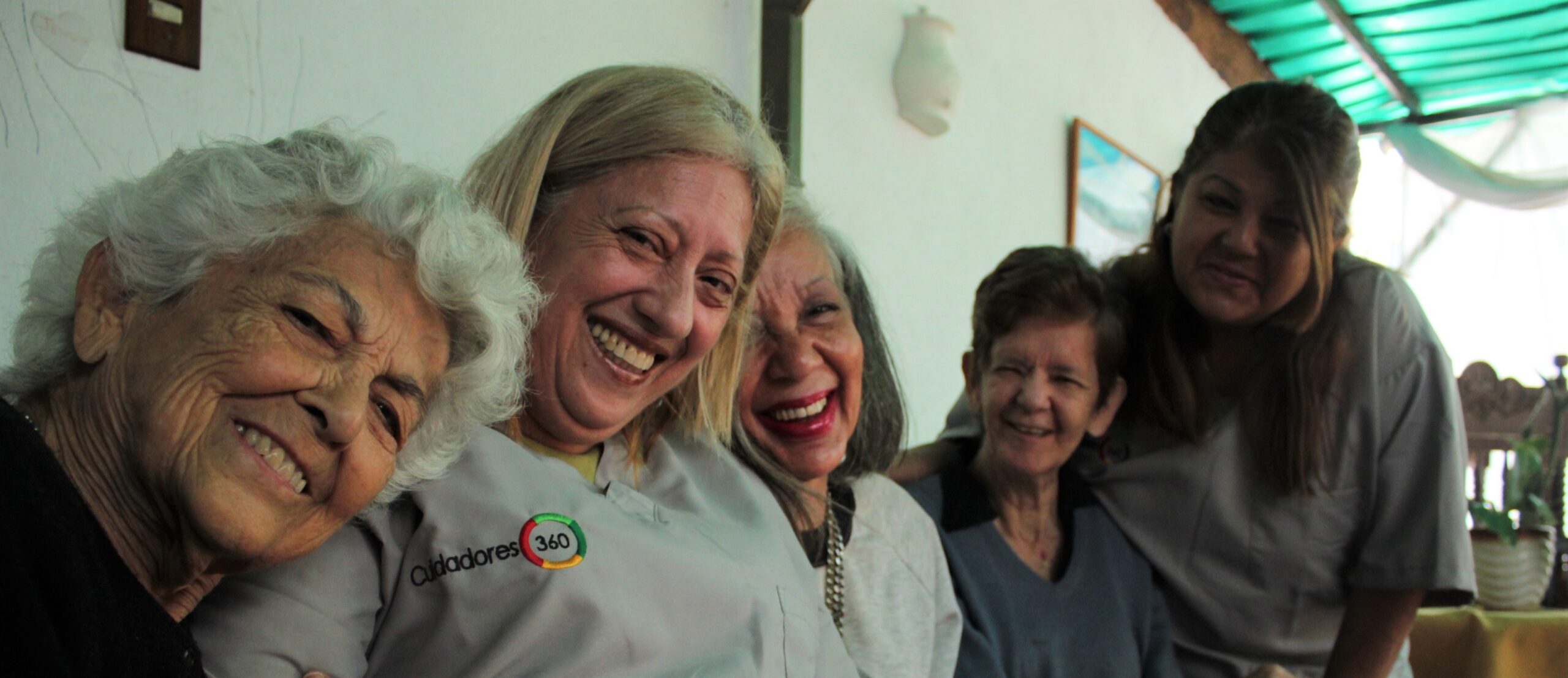
Since 2002, AVSI has supported the San Antonio de Humocaro Foundation in the state of Lara, through the Distance Support Programme (DSP) benefiting more than 100 children. The Foundation, which was established through a friendship with the monks of the nearby Trappist monastery, currently manages a residential home for 20 elderly people, an educational centre for children, and a paediatric centre that also includes a dental clinic.
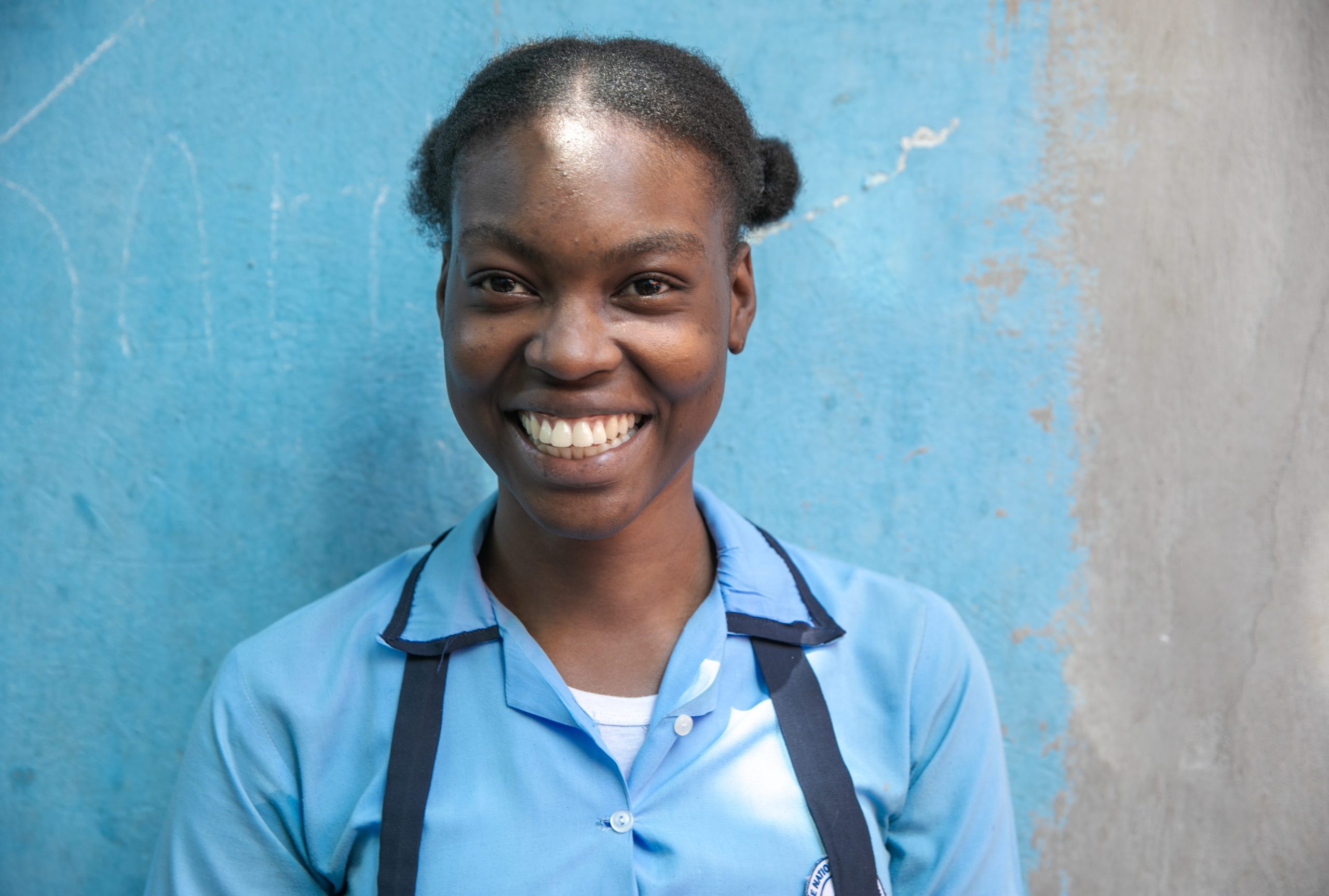
Since 2023, AVSI has been one of the main implementing partners of the World Food Programme (WFP) in Venezuela. AVSI Venezuela is currently collaborating on its third programme as a local WFP partner in the state of Falcón, providing food and nutrition assistance to more than 100 schools and reaching over 12,000 girls and boys. As part of the programme, AVSI has rehabilitated kitchen and school canteen infrastructure in the beneficiary schools.
AVSI works in Venezuela in partnership with the Italian Episcopal Conference (CEI) to improve living conditions, resilience and development opportunities for young people in Santa Elena de Uairén, in the state of Bolívar (on the border with Brazil), through the construction and equipping of a vocational training centre attended by members of the local community—mainly Indigenous people—and migrants.
The intervention combines technical and vocational training (such as carpentry and renewable energy), health and nutrition awareness-raising (including the recovery of traditional knowledge related to medicine and food), and humanitarian protection through the creation of a “safe space” providing migration counselling, psychosocial support, gender-based violence prevention activities and essential items.
The intervention is integrated into a cross-border response, in coordination with AVSI Brazil, which has been operating since 2018 on the Brazilian side of the border to support the reception, regularisation and integration of people on the move.