
AVSI in Iraq
- Duhok office
House No. 4, KRO RoadPhone: 00964-750-300-7493 - Baghdad office
House No. 25/2, Al-Jadriya Quarter
Phone: 00964-750-809-8166
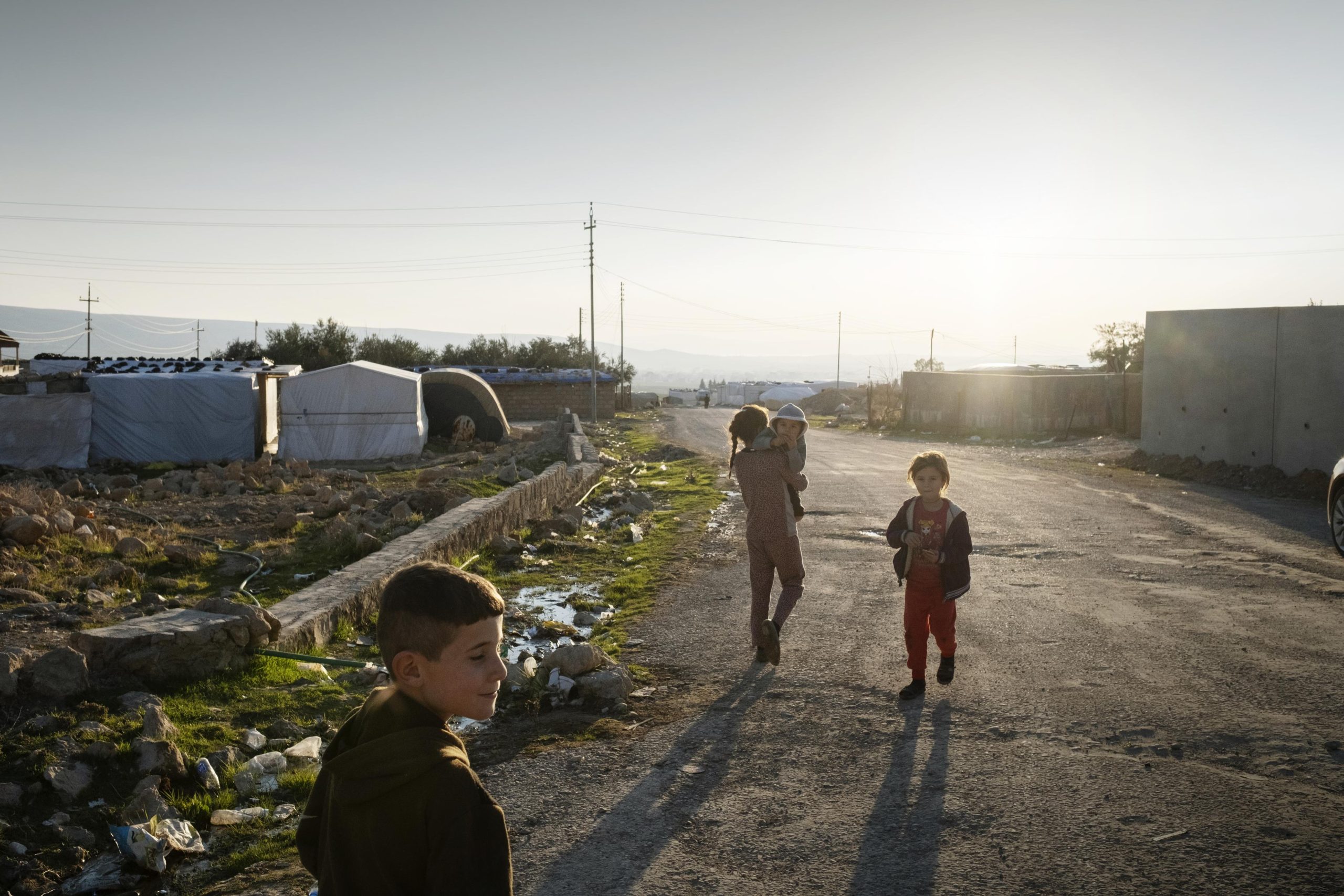
AVSI operates in federal Iraq and in the Iraqi Kurdistan Region, implementing interventions in support of refugees, internally displaced persons, host communities, and families who have returned to their areas of origin.
AVSI’s presence and commitment in the country date back to 1991, with emergency health activities carried out until 1996, followed by education projects between 2003 and 2006. In 2014, AVSI expanded its interventions to the Iraqi Kurdistan Region in response to one of the most complex humanitarian crises in the area, supporting families forced to flee their homes due to war and ISIS occupation.
Today, AVSI continues to work in the country through interventions aimed at strengthening socio-economic and climate resilience, promoting development, and protecting the most vulnerable families, as well as reinforcing the capacity of local institutions to respond to people’s needs, particularly in the health, education, and agriculture sectors.
The current situation in Iraq
Iraq has been affected by internal and international conflicts since the 1980s. The succession of military, economic, and climate-related crises has led the country to experience ongoing political, economic, and social instability. In particular, since the outbreak of the Syrian conflict in 2011 and the occupation of several Iraqi cities by ISIS in 2014, the number of internally displaced persons in Iraq has increased dramatically. In many areas of the country, thousands of families have lost their homes, jobs, and livelihoods. The situation is further exacerbated by the impacts of climate change, which affect the entire population.
For this reason, many of AVSI’s projects focus on developing and strengthening the socio-economic and climate resilience of communities, supporting the recovery of productive activities, and fostering coexistence and social cohesion among internally displaced persons, refugees, host communities, and returnee families.
AVSI’s activities in Iraq
Revitalization of economic activities
With the support of international partners such as GIZ, AICS, BPRM, and ILO, AVSI has promoted—and continues to promote—initiatives aimed at helping families rebuild their future and revitalize the local economy. Key activities include the installation of wells and irrigation systems; the distribution of agricultural greenhouses for fruit and vegetable cultivation; the provision of livestock to start or restart agricultural activities; the supply of tools and training for farmers on agricultural techniques and climate change adaptation practices; the distribution of business support packages to strengthen and develop local economic activities; business development training for entrepreneurs wishing to expand their operations or start new businesses; initiatives to create temporary employment or income-generating opportunities for job seekers from highly vulnerable communities; and initiatives aimed at strengthening local markets through coordination and exchange among the different stakeholders involved.
Training opportunities for young people
AVSI also invests in vocational training and the development of technical and soft skills, in collaboration with vocational training centres across the country. Special attention is given to vulnerable youth and survivors of gender-based violence in order to facilitate their access to employment opportunities in a highly competitive labour market.
Strengthening the healthcare system
The Kurdistan Region and Iraq as a whole have a high incidence of leukaemia and thalassaemia, while resources for treating these diseases are very limited. As a result, patients are often forced to travel abroad for necessary surgical procedures.
In 2023, AVSI Iraq launched a project to support Iraqi medical and nursing staff at Al-Hadbaa Hospital in Mosul in performing bone marrow transplants. The objective is to increase the capacity of local doctors to carry out transplants independently by the end of the project.
This project follows a similar initiative implemented in 2016 at Hiwa Hospital in Sulaymaniyah, which resulted in more than 300 transplants being performed independently by local doctors.
AVSI also supports the local healthcare system through specialized training programmes involving Iraqi and Italian doctors. This exchange of expertise helps improve the skills of healthcare personnel and makes complex medical procedures possible within the country. To date, two haematology centres in Sulaymaniyah and Ninewa have benefited from technical and practical support provided by highly specialized Italian medical teams.
The staff of these centres have been trained and prepared to perform bone marrow transplants on patients affected by thalassaemia and leukaemia.
Standing alongside children in Iraq: the Distance Support Programme
The Distance Support Programme in Iraq—funded by families in Italy—began in 2015 in response to the crisis caused by ISIS occupation of several areas of the country.
The programme was launched to support displaced children and their families from Qaraqosh, a town in the Nineveh Plains, who were forced to flee their homes and seek refuge in Erbil, the capital of the Iraqi Kurdistan Region. There, AVSI ensured access to education, food, and healthcare for children.
In 2018, as families gradually returned to Qaraqosh, the Distance Support team continued to respond to children’s essential needs, fully aware of the challenges families faced upon their return.
Year after year, the psychosocial and economic situation of the community has progressively improved thanks to regular donations from individual supporters, as well as collaboration with Dominican and Franciscan sisters who run a kindergarten in Qaraqosh, and synergies with other AVSI development projects that have contributed to restoring the economic and social fabric destroyed by the war.
The needs assessment conducted in 2024 showed that needs have changed significantly over time, leading to the decision to conclude the intervention in Qaraqosh in May 2025 and focus instead on areas with more pressing needs and vulnerabilities aligned with the objectives of the Distance Support programme. In particular, as early as 2021 the project had been extended to the Duhok Governorate in the Iraqi Kurdistan Region to support children from the Yazidi community.
Who are the Yazidis?
The Yazidis are an ethno-religious minority displaced from Sinjar, a city in north-western Iraq near the Syrian border, following the genocide committed by ISIS in 2014. This crime sought to eradicate every trace of this minority, its culture, and its religion.
To this day, more than 2,000 Yazidi women and girls are still missing.
Moreover, the protracted Syrian crisis—compounded by national and Kurdish financial and political crises—has depleted the savings of surviving Yazidi families and drastically reduced employment opportunities. For these reasons, AVSI decided to strengthen its commitment to the Yazidi community.
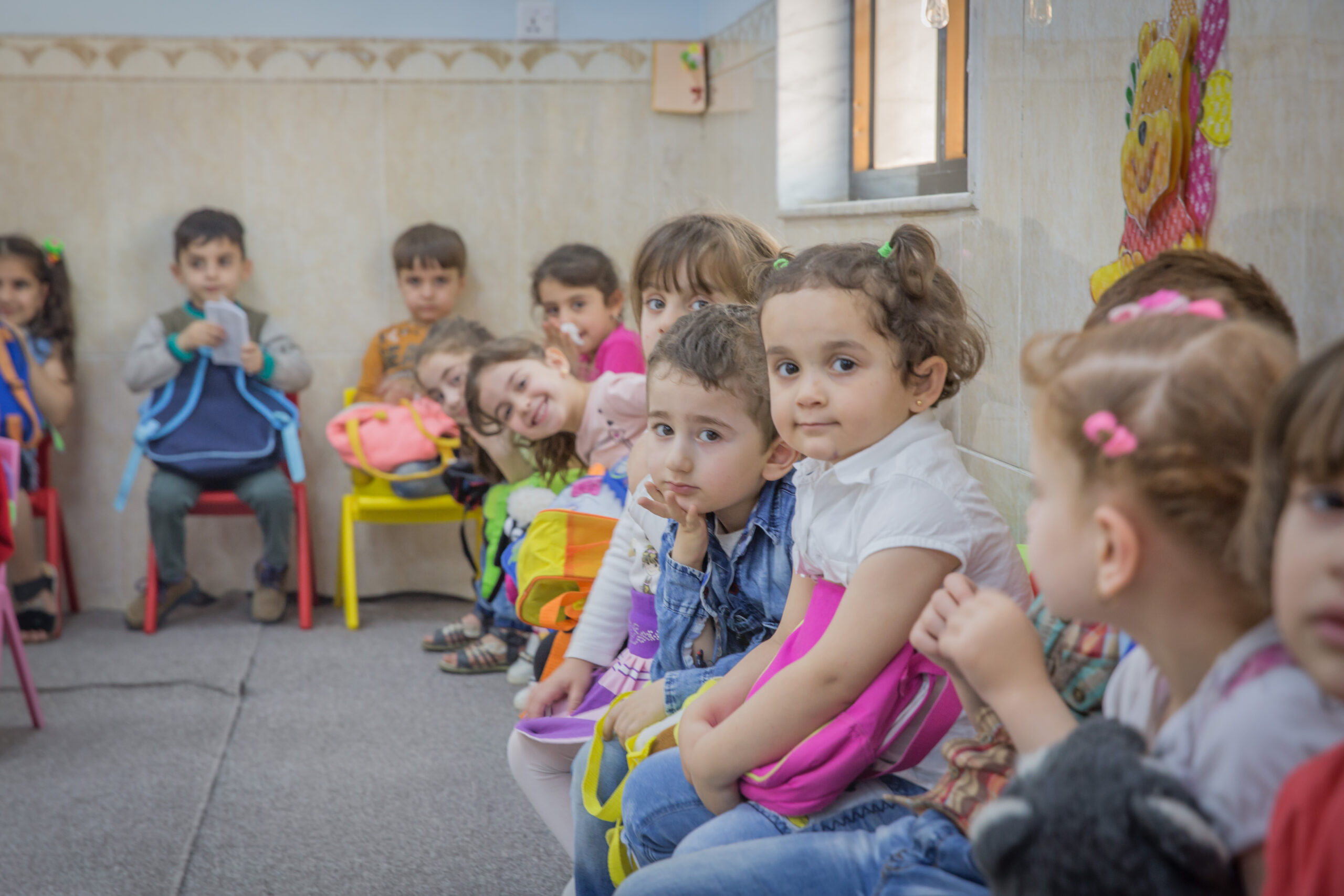
Today, the Distance Support programme in Iraq supports approximately 500 Yazidi children aged 4 to 14 living in various villages in the Duhok Governorate, providing educational, nutritional, health, and psychosocial support. To help families move out of vulnerability, the parents of supported children are involved in vocational training courses and are supported in starting income-generating activities or seeking employment.
In this way, the support contributes not only to the development of children, but also to that of their families and the entire community.
help a child grow up and thrive in Iraq


