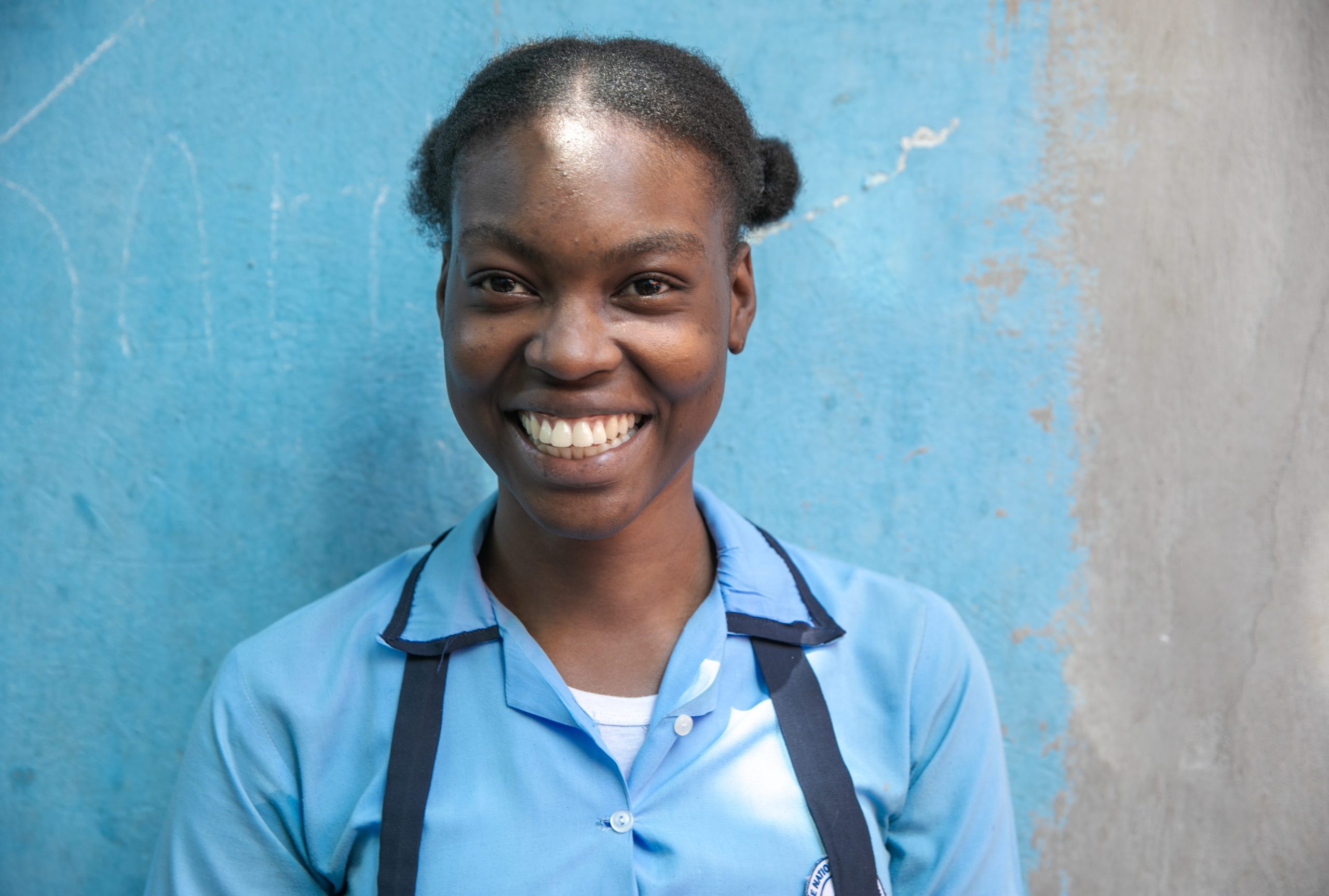
Three years after leaving Ukraine, Ludmyla Burlaka is preparing to start a new job in Warsaw. A fashion designer with decades of experience, she arrived in Poland in 2022 carrying the uncertainty shared by many people forced to leave their country because of war. Finding work was not her only concern. She also had to learn a new language, understand unfamiliar workplace rules and find her place in a different social environment.
For Ludmyla, job integration for Ukrainian refugees was not only about employment. It meant understanding how daily life and professional relationships worked in Poland.
"My dream is to create costumes for cinema, television or theatre, and also wedding dresses," she says. Talking about fashion comes naturally. Talking about her arrival in Poland is more difficult.
"When I arrived, I was afraid I would not understand what people were saying, what employers expected or how the labour market worked."
Originally from Zhashkiv, around 150 kilometres south of Kyiv, Ludmyla had worked for years in the clothing sector in Ukraine. Yet experience alone was not enough to enter the Polish labour market.
Learning the language and understanding the labour market
In Warsaw, Ludmyla enrolled in accounting and Polish language courses while looking for ways to continue her professional career.
Her situation is common among many Ukrainian refugees living in Poland. While jobs are available, many people are trying to return to the occupations they held before the war rather than accept any position available.
Through AVSI Polska, Ludmyla joined activities organised under the SIP project. There she met Arina, an employment counsellor who helped participants understand recruitment practices, workplace culture and interview processes in Poland.
"She taught us about work culture, encouraged us to attend interviews and helped us approach employers without fear," Ludmyla recalls. "I regained confidence and became more aware of what I can do."
That confidence soon translated into concrete results. She has already received two job offers and is due to begin a new position next month.
Job integration for Ukrainian refugees in Warsaw
According to UNHCR figures, millions of Ukrainians have left their country since the escalation of the war in 2022, with around one million people under temporary protection currently living in Poland.
Four years after the start of the conflict, many refugees still face unstable employment, housing difficulties and economic insecurity. Women, who represent a large proportion of the refugee population, are often balancing work searches with family responsibilities and uncertainty about the future.
Krystyna Brzezinska, one of the SIP coordinators for AVSI Polska, observes that employment opportunities exist, but many refugees are trying to rebuild careers interrupted by displacement.
"In Poland, finding a job is not necessarily the problem," she explains. "Many people want to return to their professions, reopen a business or continue the path they followed before leaving Ukraine."
Language remains one of the main barriers. For those wishing to enter higher education or some professional sectors, a Polish language certificate at B2 level is often required.
Anna Golebiewska, one of the Polish language teachers involved in the project, has watched participants become more confident over time.
"When they come to class, they study, but they also exchange information and build relationships," she says. "For a few hours, it feels a little more like home."
The SIP project in Poland and Italy
The SIP – Socio-economic Integration Pathways and Psychosocial Support for Ukrainian Refugees project operates in Poland and Italy from May 2025 to October 2026.
Implemented under the Work is Progress programme of Fondazione Soleterre, the initiative brings together AVSI, AVSI Polska and the Migration Studies Centre Foundation (OBMF) in Warsaw.
The project works with vulnerable Ukrainian refugees and combines several activities: Polish language courses, psychosocial support, legal assistance, information on access to public services and employment guidance.
Funded by the European Social Fund Plus (ESF+), the project accompanies participants as they navigate everyday challenges linked to displacement and life in a new country.
For Ludmyla, this process now leads back to a workplace rather than another training course. After years spent rebuilding daily routines in Warsaw, she is preparing to return to the profession she left behind when she crossed the border in 2022.
Subscribe to AVSI newsletter
Sign up to receive news and information on our work in the world.