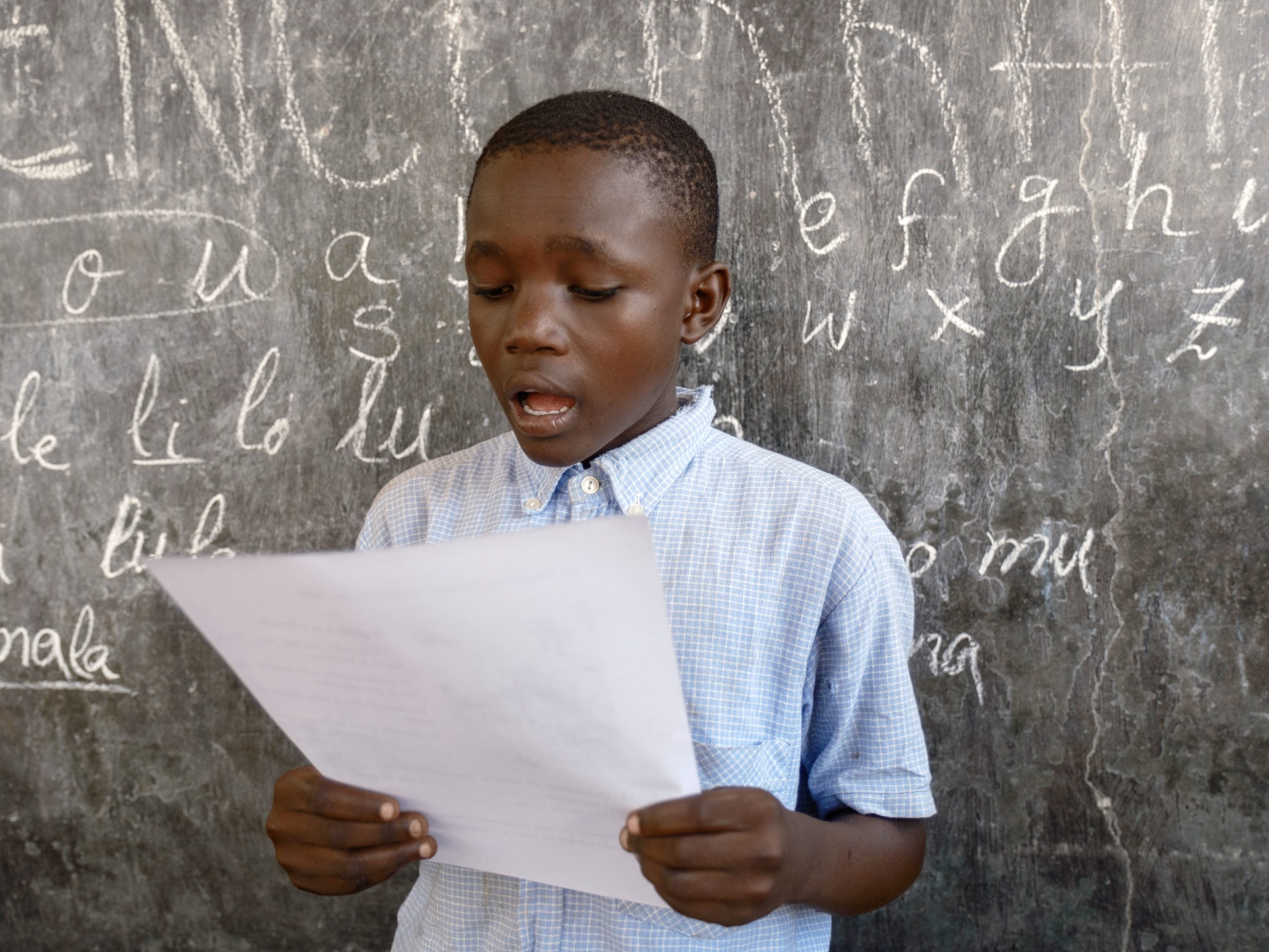
Education in emergencies in Mozambique means helping children continue learning when conflict or cyclones disrupt their schooling. In Cabo Delgado, the conflict has forced families to flee their homes, leaving children unable to attend their usual schools. Schools in the communities receiving them must accommodate additional pupils, while some have also suffered cyclone damage. Since March 2026, AVSI and its partners have been implementing a 12-month response funded by Education Cannot Wait, aiming to reach approximately 36,000 children and adolescents in 84 schools in the northern provinces of Cabo Delgado and Nampula.
The intervention covers Chiúre, Ancuabe, Mocímboa da Praia and Mueda districts in Cabo Delgado, and Memba and Eráti districts in Nampula. It combines learning activities, teacher training and child protection services for displaced children and the communities hosting them.
Which children are receiving support?
Since the conflict began in Cabo Delgado in 2017, many children have had to leave their homes and stop attending school. Schools welcoming these children also face difficulties, including damage caused by cyclones in 2024 and 2025.
Through 60 schools in Cabo Delgado and 24 in Nampula, the project aims to reach 36,000 children aged 5 to 17. They include children displaced by the conflict and those already living in the communities welcoming them.
Particular attention goes to children who face additional barriers to attending school safely: children with disabilities, girls at risk of violence, and children separated from their families or without an adult caregiver.
Teachers who have themselves been forced to leave their homes are also receiving support.
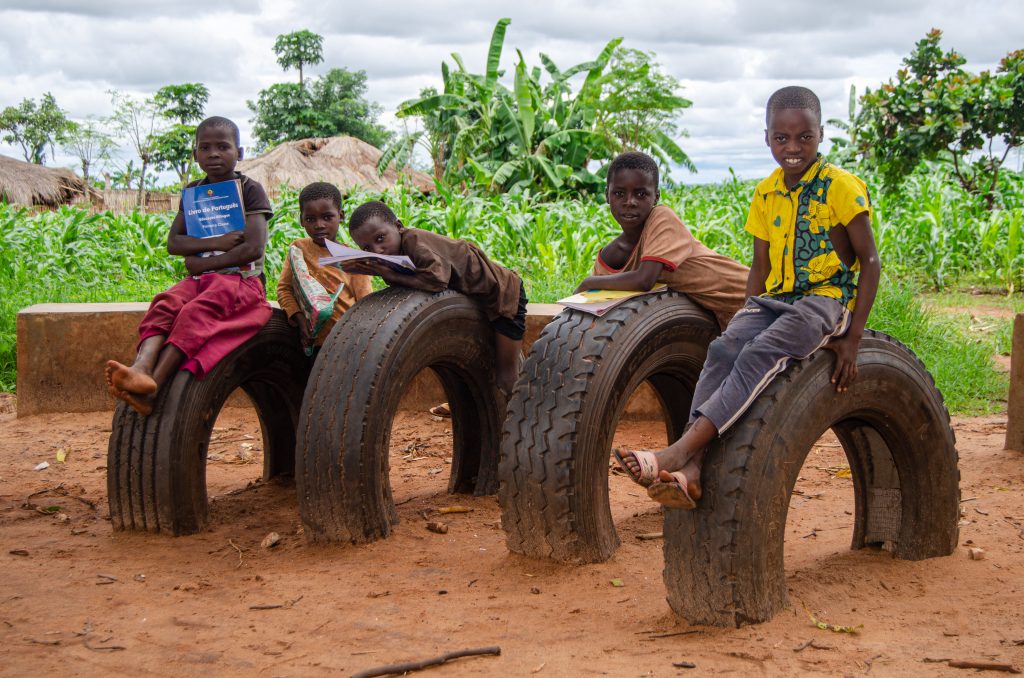
Learning activities and more accessible school facilities
Planned activities include non-formal education for approximately 18,400 children and remedial classes for 9,750, alongside the distribution of teaching and learning materials.
The response also addresses practical barriers to attendance. It includes rehabilitating 50 accessible latrines, providing assistive devices for 400 children with disabilities, and distributing menstrual hygiene kits to 3,600 girls.
Children without birth registration will also receive assistance to obtain civil documentation.
Training teachers to respond to interrupted schooling
The project plans to train 470 teachers, facilitators and school directors. Sessions cover inclusive teaching, learner-centred methods, gender-responsive approaches, non-formal education and accelerated learning.
Training also address child protection, mental health and psychosocial support, connecting classroom practice with the needs of children affected by displacement.
Teachers will be able to use these methods within existing schools and education services, beyond the project’s implementation period.
Connecting education with child protection services
Psychosocial and recreational activities are planned for approximately 18,400 children. The project also facilitates referrals to protection services for approximately 1,750 cases.
Campaigns to prevent gender-based violence will take place across all 84 schools and surrounding communities. Community awareness activities aim to reach 12,300 caregivers.
Alongside these activities, protection referral mechanisms will be connected with existing services and involve communities and local leaders in implementation.
About the ECW-funded response and its partners
Funded by Education Cannot Wait, the United Nations global fund for education in emergencies and protracted crises, this 12-month project began in March 2026. It helps children affected by displacement continue their education in six districts of Cabo Delgado and Nampula through learning activities, repairs to school facilities, teacher training and child protection services.
AVSI coordinates the project, working alongside local organisations whose knowledge of the communities helps shape its activities. Khandlelo works in Cabo Delgado, while Cáritas Diocesana de Nacala helps children access protection services. Terre des Hommes carries out activities in Nampula. Together, these partners combine their experience to reach children and families across the six districts.
Collaboration with Mozambique’s Ministry of Education helps ensure that this work fits within national education plans and strengthens existing school services. The aim is for its benefits to continue beyond the project: teachers can keep using the skills they learn, repaired facilities remain available to pupils, and children who need further assistance are connected with existing protection services.