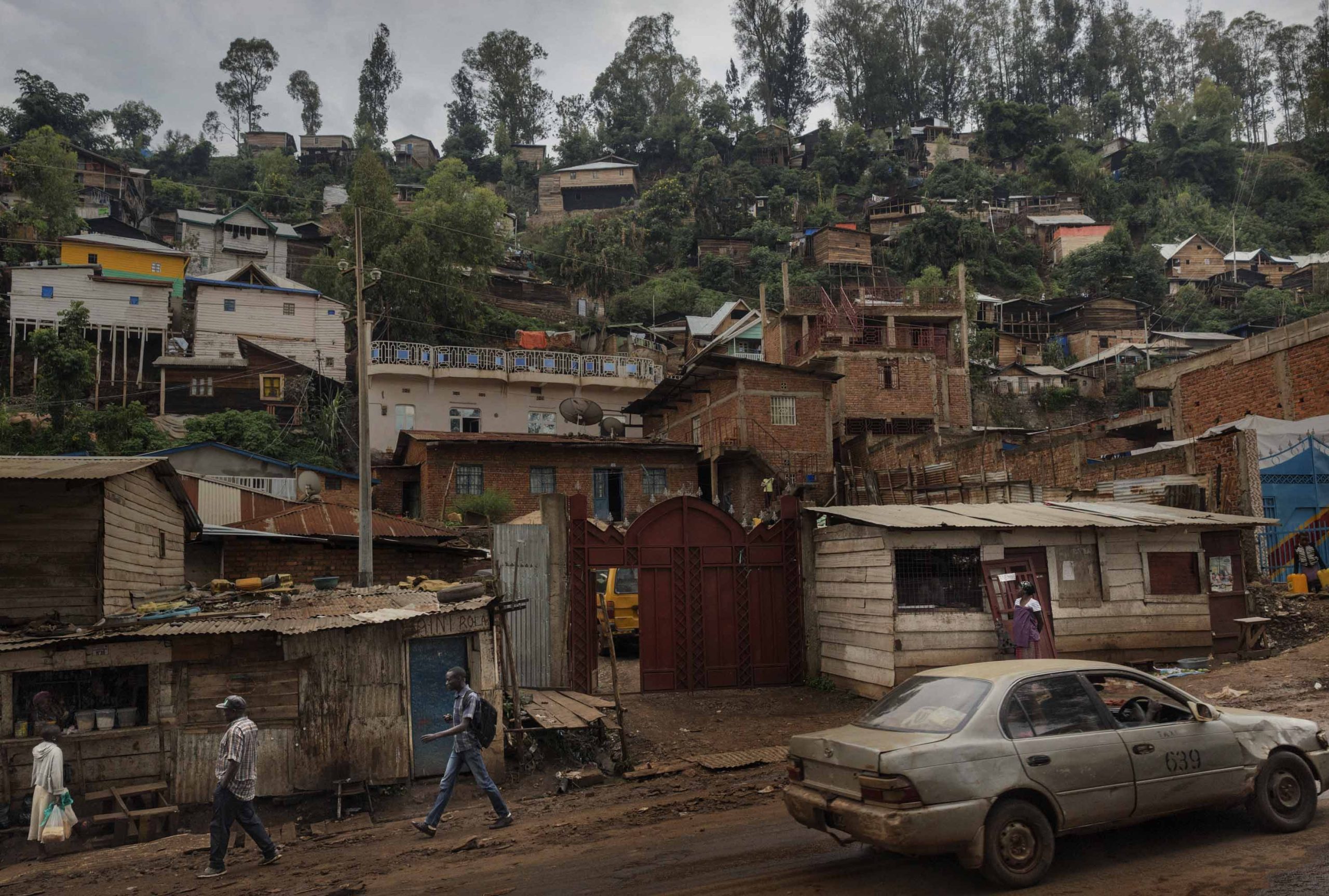
For World Cities Day on 31 October, AVSI looks at how residents help shape the neighborhoods where they live: identifying climate risks, organising waste collection and finding uses for materials that would otherwise be discarded. Across East and Southern Africa region, projects in Mozambique, Kenya, Burundi and the Democratic Republic of the Congo connect this local knowledge with municipal planning, research and public services.
AVSI’s approach to sustainable cities starts with the people and organisations already active in a neighbourhood. Residents, associations, businesses and local authorities take part in identifying priorities and designing activities. In informal settlements, this means recognising existing services and working relationships, then helping them function more effectively alongside the wider city.
Mozambique: bringing climate risks into urban planning
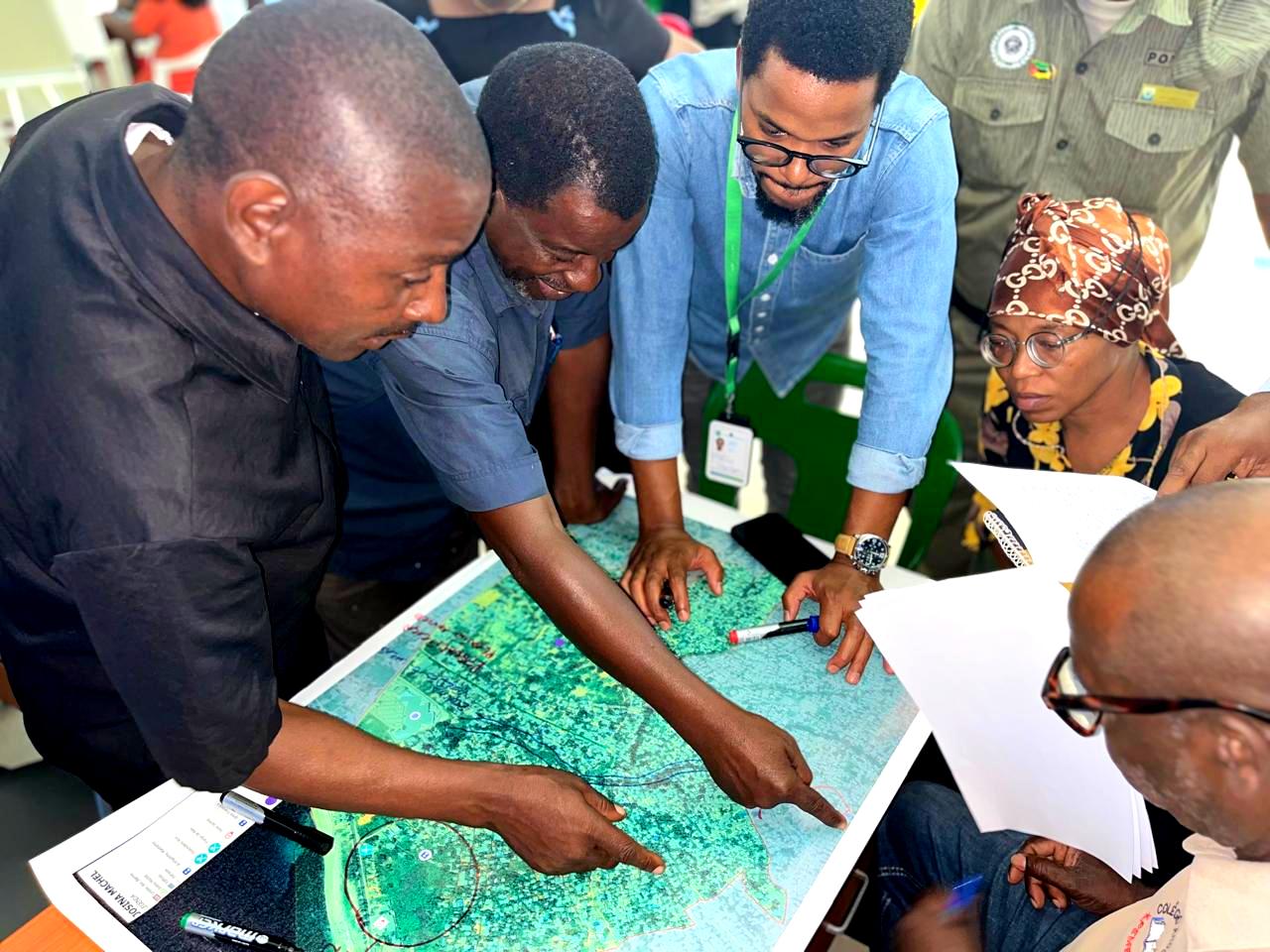
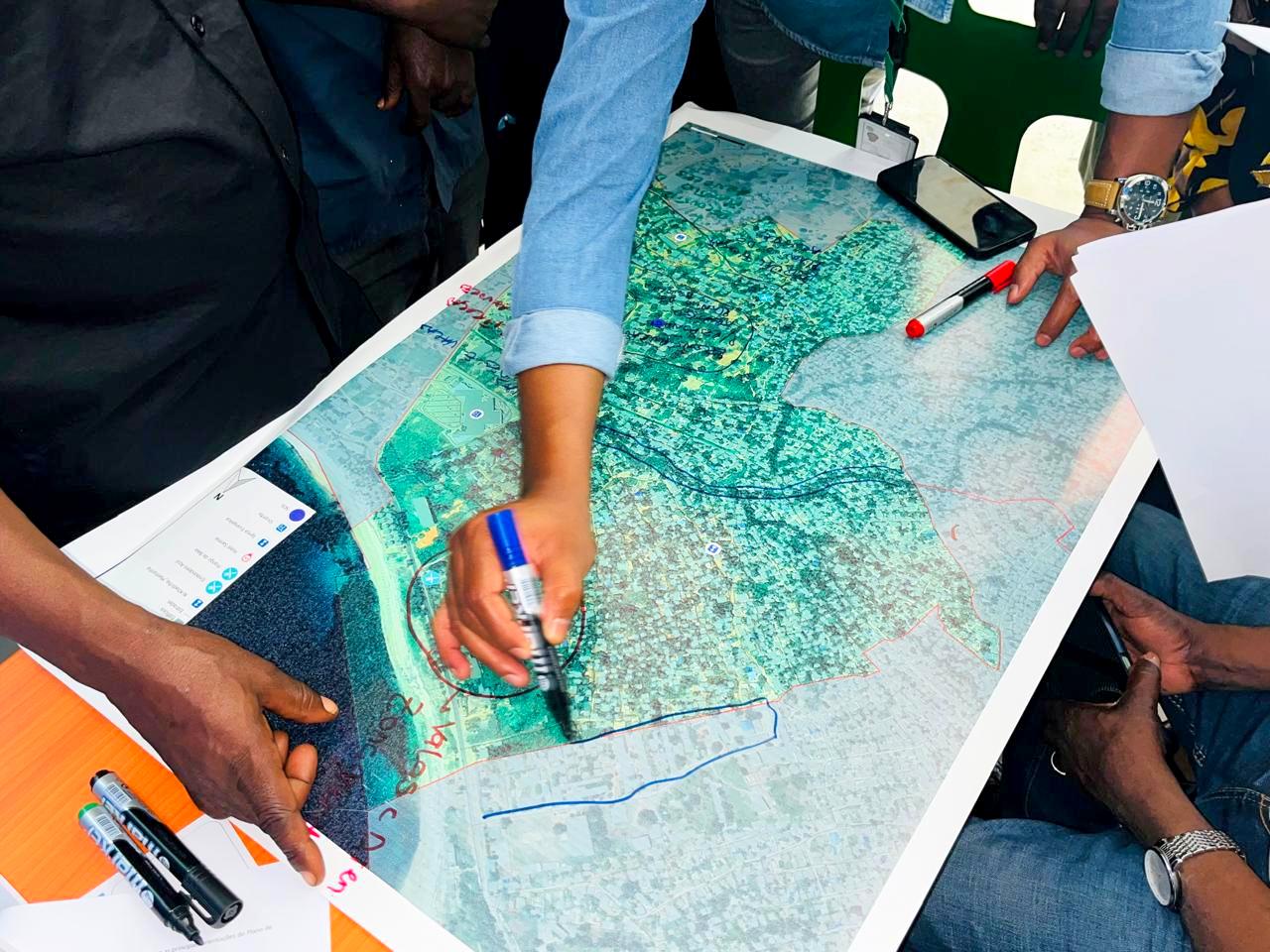
In Beira, Pemba and Ibo, the CAMBIO project brings residents, municipal technicians and university researchers together to identify climate hazards and decide which areas need attention first.
Residents contribute knowledge of their neighbourhoods through participatory data collection. Specialists from Politecnico di Milano and Lúrio University work with municipal teams and local partners to analyse hazards and vulnerabilities. This connects people’s experience of their surroundings with the evidence municipalities need to plan adaptation measures.
Since its launch, CAMBIO project has reached 179 people across the three locations, including municipal staff, disaster risk management representatives and community groups. 128 people have attended 11 training sessions on climate risk and urban planning. A further 15 committee meetings have brought local authorities and residents together to examine community data, discuss risks and identify priority areas for action.
The project is now beginning low-cost adaptation activities carried out directly by communities following the training. This next phase connects the studies and discussions with practical work in neighbourhoods, making climate risk part of both urban planning and local action.
The CAMBIO project is led by AVSI, with support from Italy’s Ministry of Foreign Affairs and International Cooperation through the Italian Agency for Development Cooperation, in partnership with Politecnico di Milano, Lúrio University, Fondazione E35 and FACE.
Kenya: organising waste collection with Korogocho’s local groups
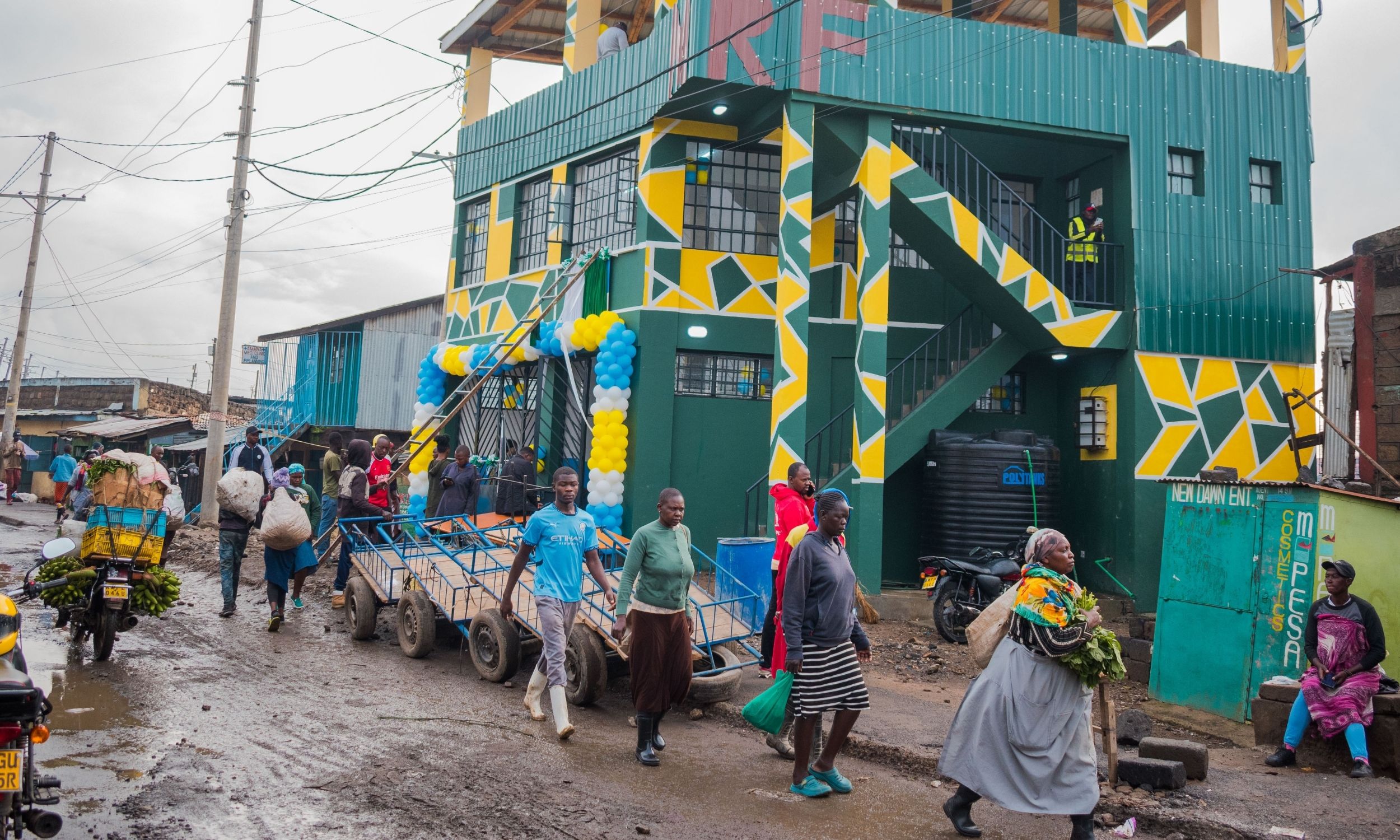
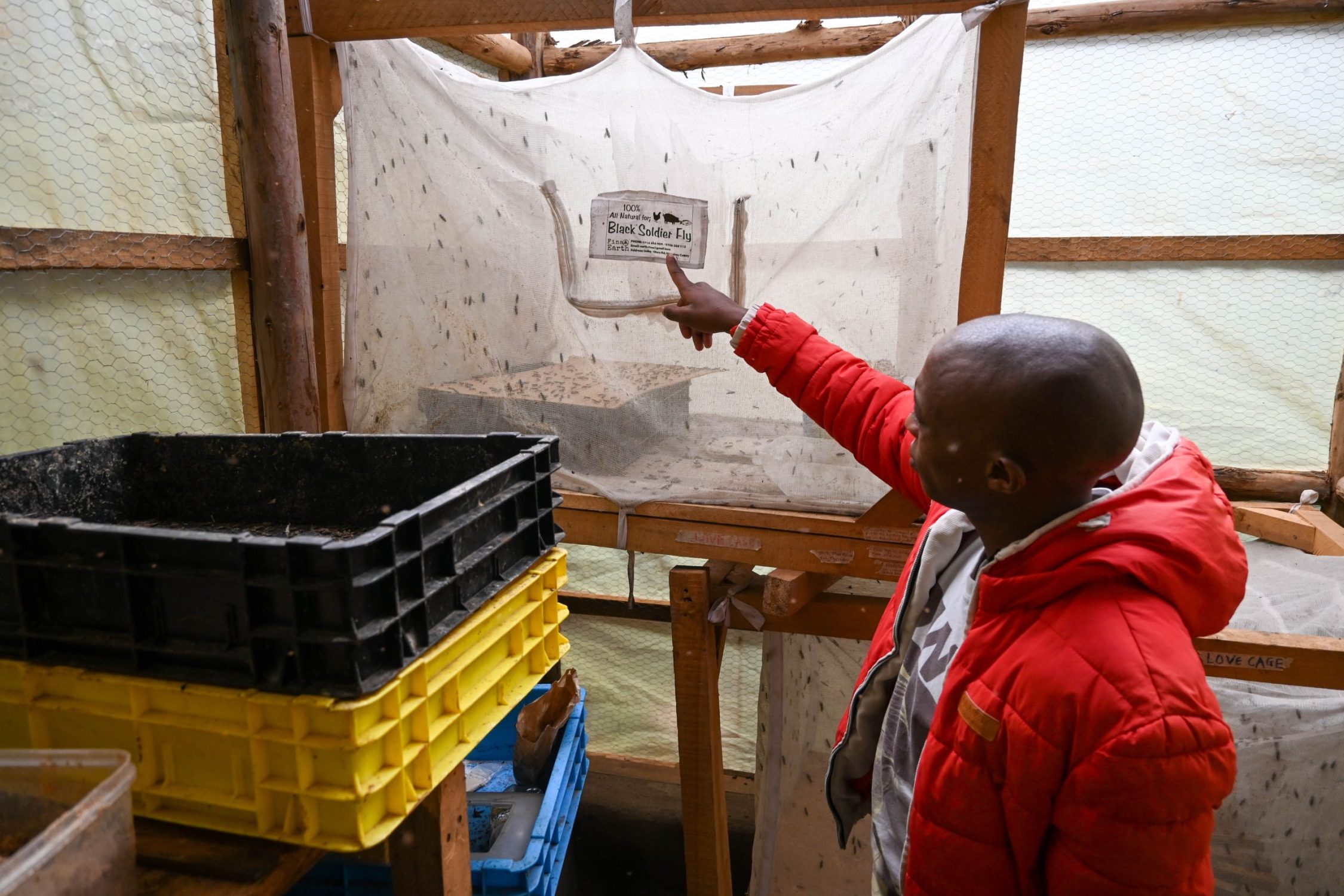
In Korogocho, an informal settlement in Nairobi, waste collection relies on local organisations that know the neighbourhood and its households. Waste Wise Nairobi - Korogocho Chapter works with these groups to improve collection, sorting and links with recycling companies.
The project has trained 29 community-based waste collection groups and distributed sorting bins to 1,500 households. A new facility provides space to separate and store recyclable materials before they are sold to recyclers. Training covers waste management alongside the practical tasks of running a group, including finances and purchasing.
Organic waste is also being tested as a resource. In Korogocho A, Faries Kahuha, 28, chairs Kombgreen Organization, which runs a small black soldier fly pilot. Larvae feed on food waste collected from households and markets; harvested larvae can be used as animal feed, while the remaining material becomes fertiliser. The pilot is still small, with plans to expand.
Funded by the Italy’s Ministry of Foreign Affairs and International Cooperation through the Italian Agency for Development Cooperation, Waste Wise Nairobi project brings together UN-Habitat, Nairobi City County, AVSI and Miss Koch Kenya to improve waste services for Korogocho residents by building on existing local collection systems.
DR Congo and Burundi: recovering waste to protect Lake Tanganyika
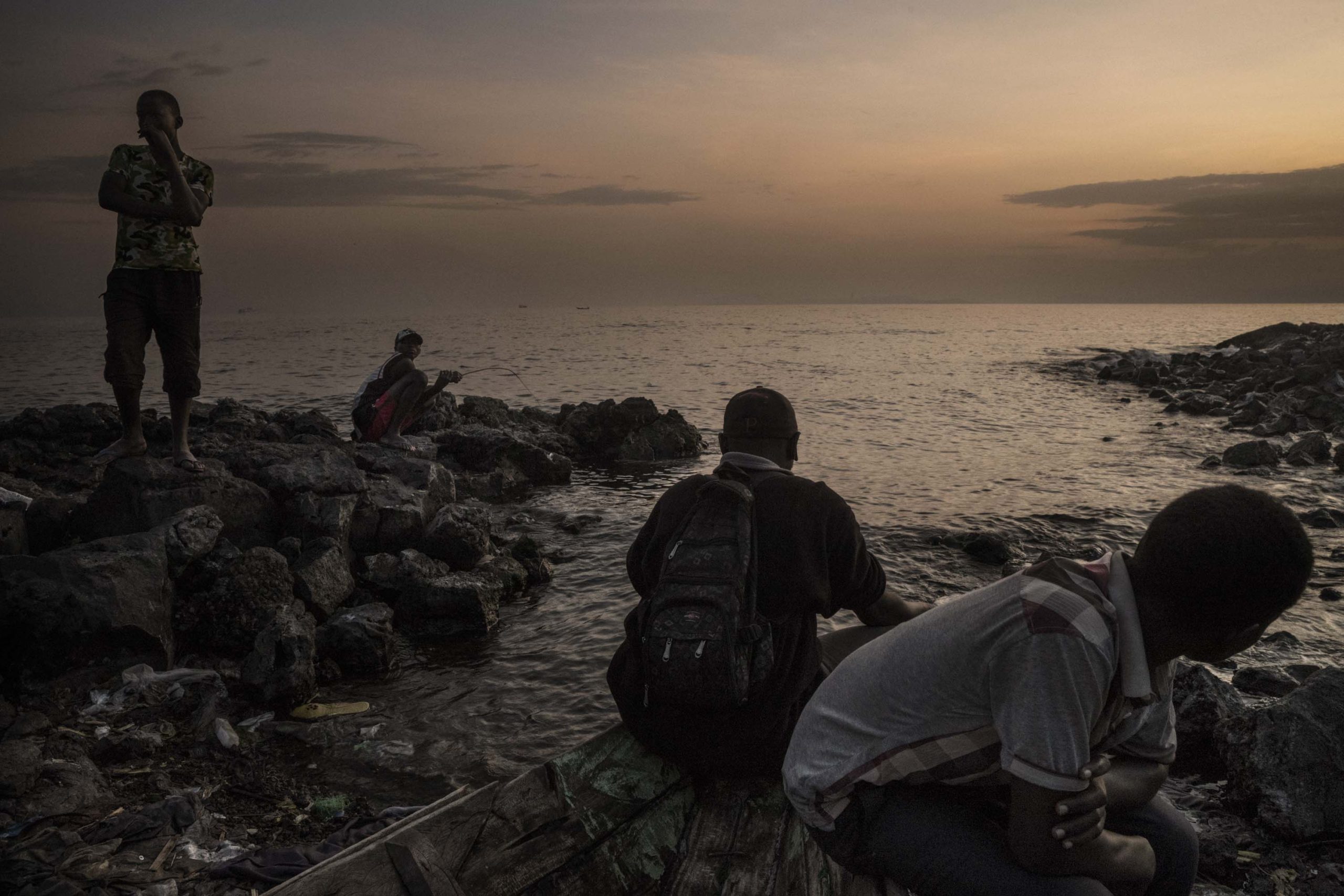
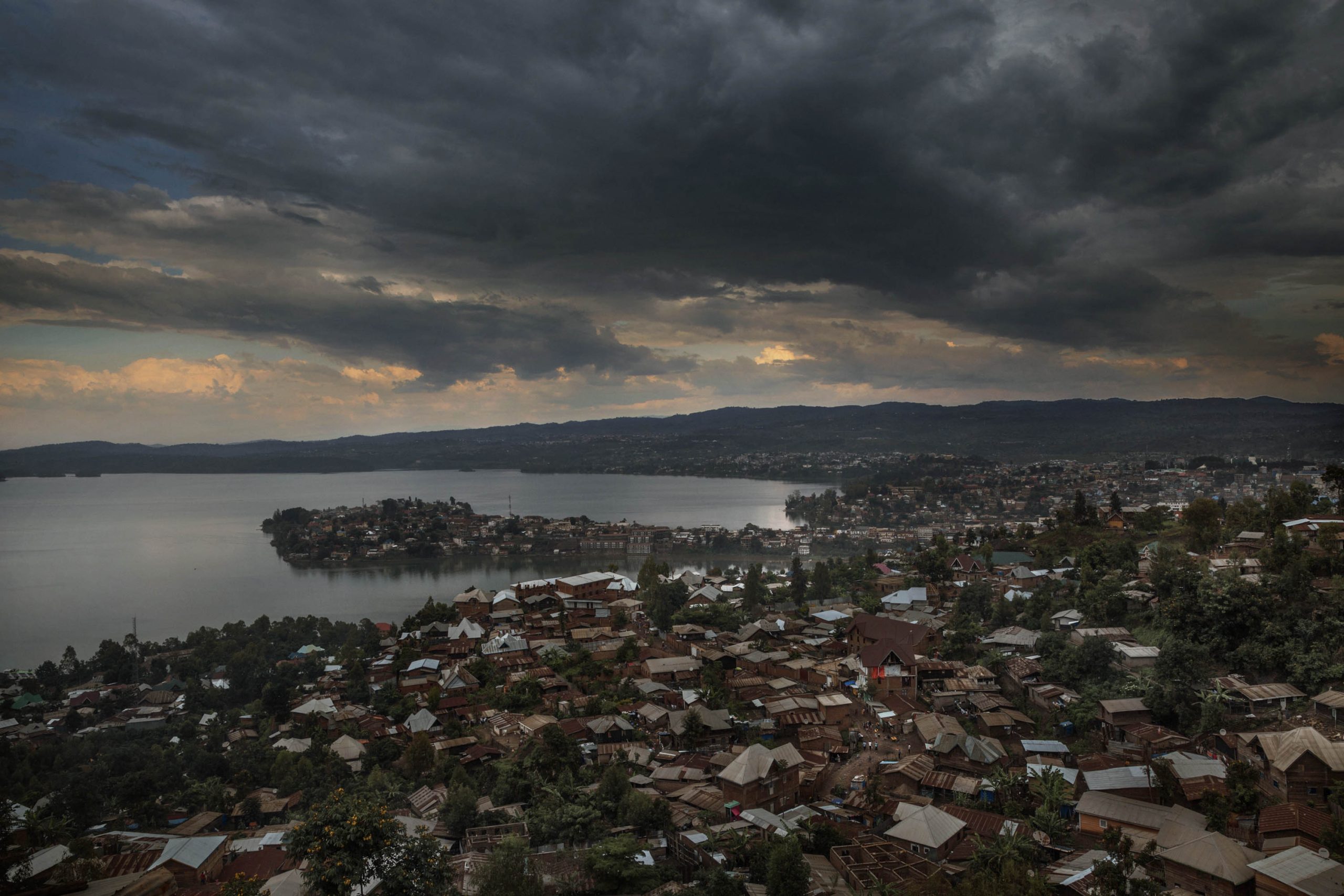
Lake Tanganyika supports aquatic biodiversity and provides water, food and livelihoods for millions of people across the region. Protecting its waters also means addressing what happens on land: uncollected plastic and organic waste can enter rivers and eventually reach the lake.
The ECOCIRC project works in Uvira and Baraka in DR Congo, and Bujumbura in Burundi, to improve waste collection and turn discarded materials into useful products.
This is the practical link between water protection and the circular economy: collecting waste before it reaches waterways, then reusing or processing it instead of dumping it.
Funded by the European Union, the project runs for three years and six months, bringing together AVSI, LVIA, Caritas Uvira, AHDS, COPED and BBIN.
In Katongo, Uvira, Bitisho Ndalozibwa Angelani, 30, is learning to make and use cooking briquettes from organic waste.
When I cook with these briquettes, there is less smoke and less smell. The heat stays the same.
Bitisho Ndalozibwa Angelani, resident of Uvira
Briquette production gives organic waste a second use as cooking fuel and offers Bitisho a possible source of income. Alongside the project’s work on plastic waste, it demonstrates how recovering discarded materials can help reduce pollution while supplying products that households need.
World Cities Day: sustainability starts with people
World Cities Day draws attention to how cities can become better places to live, a goal reflected in SDG 11: making cities and human settlements inclusive, safe, resilient and sustainable.
For AVSI, this means working with people as active participants in shaping their neighbourhoods. Residents, local authorities, associations, businesses and universities plan and carry out activities together, connecting education, health, livelihoods and environmental protection.
The experiences from Mozambique, Kenya, DR Congo and Burundi illustrate this approach: sustainability depends on services that respond to people’s needs and on the relationships that help communities maintain them over time.