Traditional poverty alleviation initiatives frequently prioritise financial grants, business support, agricultural inputs, or vocational training. While these physical assets are vital, they often overlook a critical ingredient: cultivating the human capacity to adapt to shocks, make informed decisions, build healthy relationships, and recognise personal potential. Within the Sustainable Market Inclusive Livelihood Pathways to Self-Reliance (SMILES) project, life skills development is proving to be a foundational pathway to true resilience. Delivered alongside technical training and economic assistance within the Graduation Approach, life skills coaching equips participants with the mindset and tools required to utilise financial resources wisely.
A transformation rooted in experiential learning
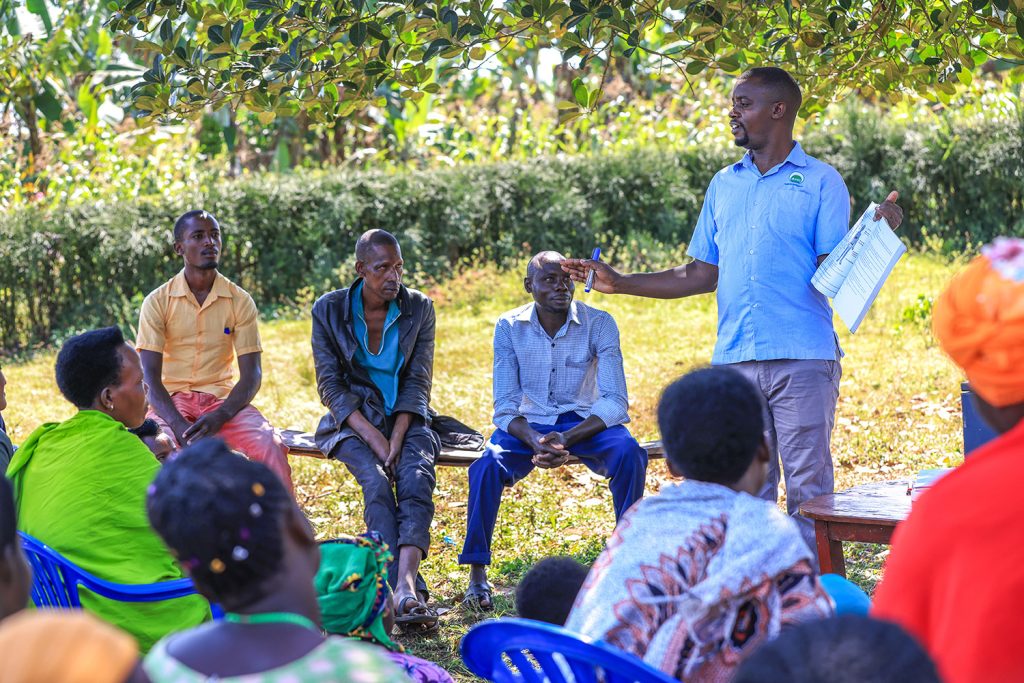
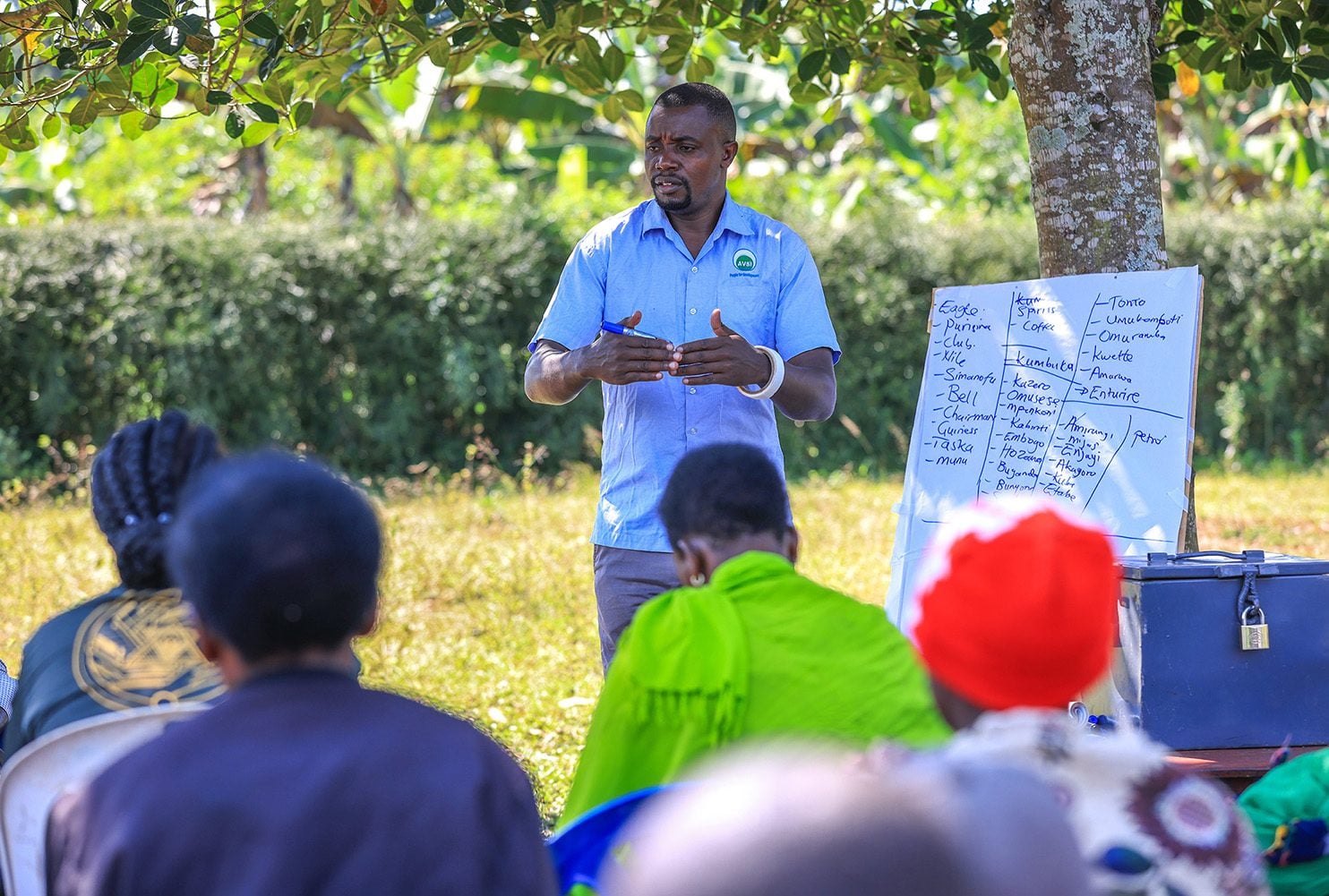
To move beyond passive instruction, the SMILES curriculum covers foundational topics including self-awareness, emotional regulation, decision-making, interpersonal communication, resilience, and substance abuse prevention. Sessions take place at the group level and are further reinforced through targeted home visits at the household level. Rather than relying on theoretical lectures, coaches utilise storytelling, role plays, practical demonstrations, experience sharing, and reflective exercises that allow participants to connect lessons directly to their daily lives.
For many refugees and host community members living amidst economic hardship, displacement, and loss, one of the most powerful milestones is the "Knowing Myself" exercise. Participants describe each other's talents and positive qualities, often marking the first time their personal strengths have been openly acknowledged by peers.
Strengthening resilience from within: I Am, I Have, I Can
Resilience in vulnerable communities is not an inherent trait, but a skill that can be systematically learned, adopted, and strengthened. Through practical stories and demonstrations, coaches guide participants to analyse three core pillars of resilience:
- I Am: Recognising internal strengths, core values, and character traits.
- I Have: Identifying external support systems, relationships, and available resources.
- I Can: Developing the practical abilities and decision-making skills needed to overcome challenges.
By shifting focus towards the assets they already possess, participants undergo a significant turning point, moving away from viewing themselves solely through the lens of hardship.
Creating safe spaces for honest behaviour change
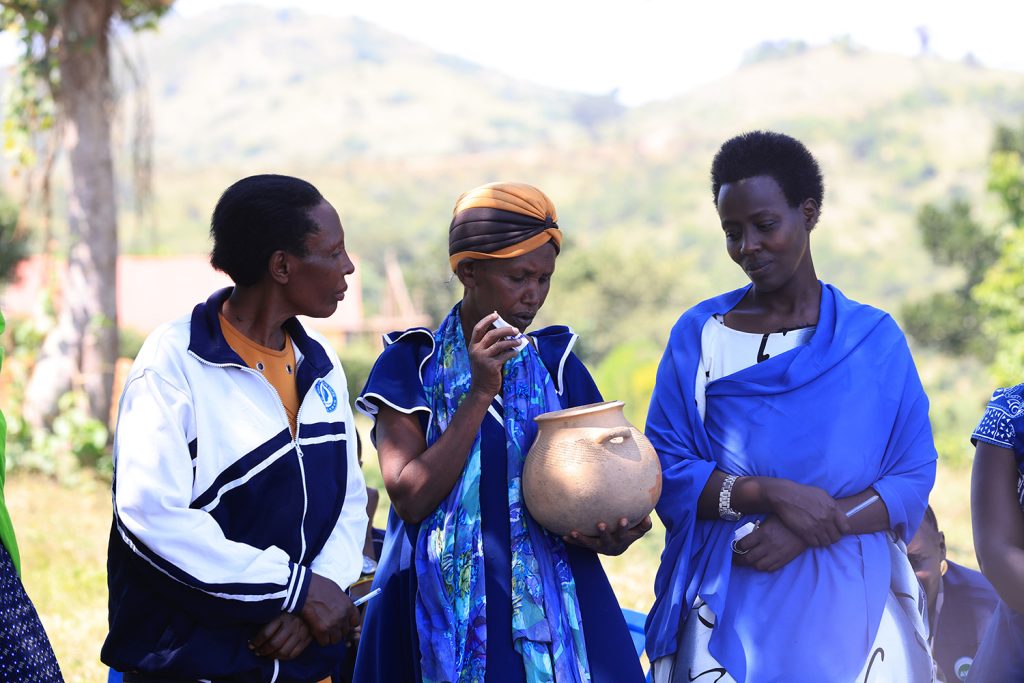
Behavioural transformation requires environments built on empathy, trust, and mutual respect where community members can speak without fear of judgment. During substance abuse prevention modules, practical demonstrations illustrate the physical impact of alcohol on the human body, prompting open dialogues regarding community tobacco and alcohol use.
These sessions have inspired deeply personal testimonies; for instance, one refugee participant shared how grief and stress following her husband's death from alcohol-related liver disease led to her own drinking, before publicly committing to recovery with the support of her family and coach.
Why timing matters: Sequencing skills before assets
A central insight emerging from SMILES participants is that life skills training must occur before physical livelihood assets are distributed. Participants emphasise that receiving financial support or business assets without prior grounding in emotional resilience, self-awareness, and decision-making increases the risk of making poor choices.
Prioritising life skills ensures that individuals are mentally and emotionally prepared to manage new opportunities responsibly. This approach leads to immediate social dividends, including improved family communication, healed interpersonal conflicts, higher self-esteem, and stronger neighbourly relationships.
Essential lessons for development programming
The outcomes of the SMILES initiative offer clear guidance for organizations designing resilience and livelihood programs:
- Move Beyond One-Off Workshops: Lasting behaviour change demands continuous practice, ongoing reinforcement, and regular coaching.
- Prioritise Experiential Instruction: Hands-on activities like role plays, practical demonstrations, and peer discussions drive significantly deeper engagement than abstract theory.
- Invest Equally in People and Livelihoods: Economic inputs increase income, but life skills provide the judgment, confidence, and relationships necessary to sustain economic gains over time.
Life skills are not an optional additive to development work; they are an essential foundation. When individuals understand their value, make thoughtful choices, and support one another, sustainable growth extends far beyond the individual, transforming families, communities, and future generations.