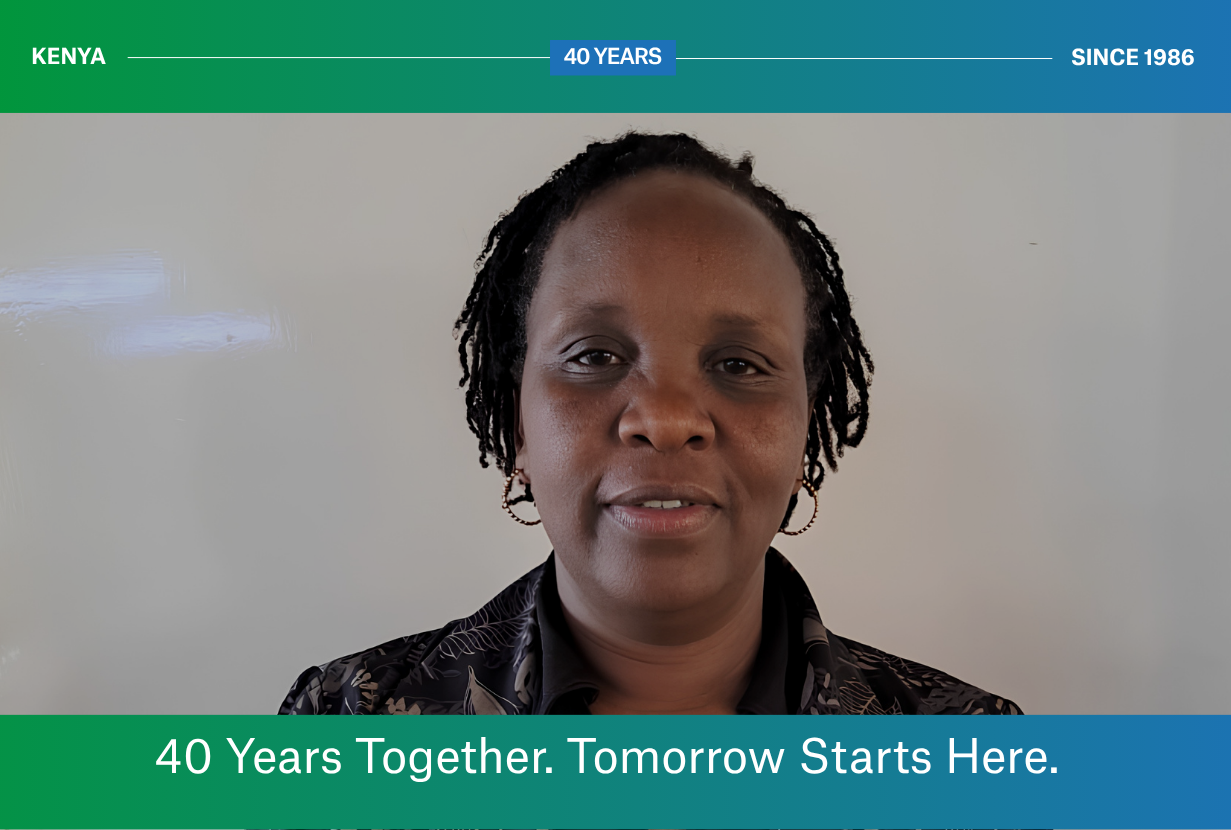
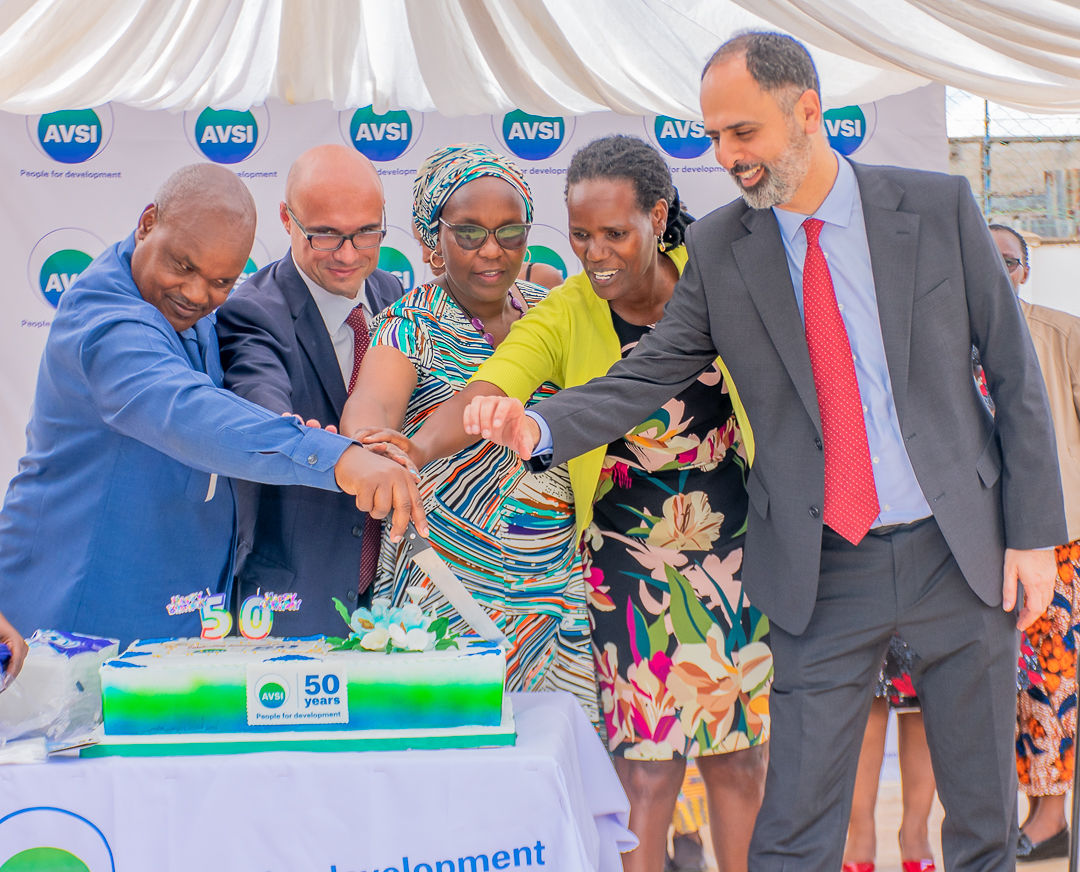
In 2026, AVSI Foundation marks 40 years of partnership in Kenya (1986–2026). Among the six stories we have chosen to share for this anniversary, Romana’s experience offers a perspective from inside the organisation.
From accompanying 67 children in Kibera in 1997 to working with communities and partners across Kenya as Country Representative for AVSI, her story shows how individual attention, local knowledge and relationships have shaped AVSI’s work over nearly three decades.
For Romana, AVSI is more than a workplace. It is a place where she has grown professionally and personally, and where she has seen relationships create possibilities that could not have been planned from the beginning.
From one desk to the field
"In 1997, AVSI Kenya was still taking its first steps. Our team consisted of just two people working from a small office on Riara Road, with one computer and one telephone.
My first responsibilities were practical: entering data, tracking construction workers and accounting for expenses as St. Kizito Vocational Training Institute was being built.
Soon, my work took me from the office into the field.
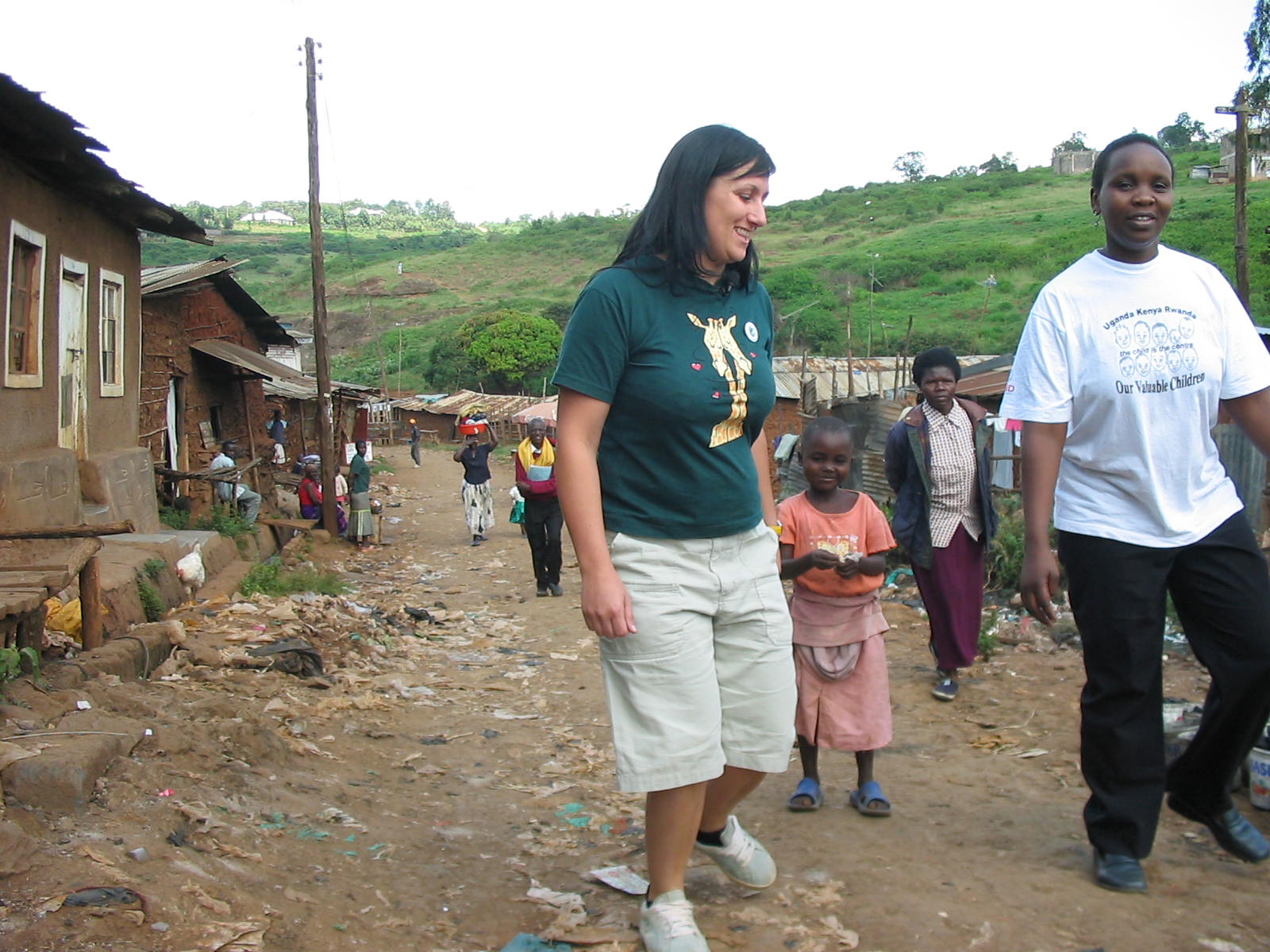
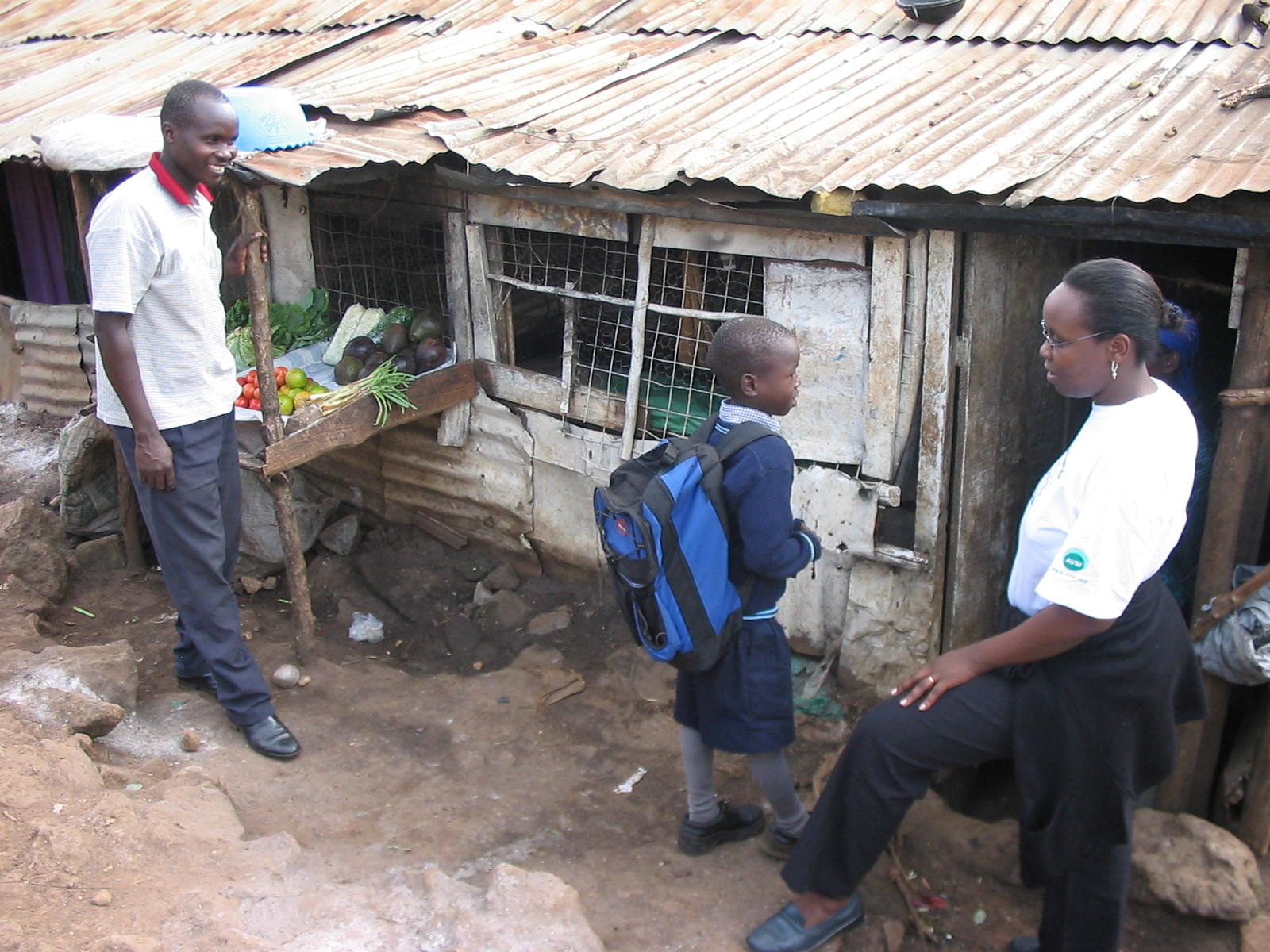
I was given a file containing the records of 67 children supported through the Distance Support Program and asked to find them in Kibera. I knew little about the informal settlement and had never met most of the children.
The Missionary Sisters of Charity helped me find my way into the community. What began with a file of registration forms quickly became something much more personal: visiting schools, meeting families, understanding their circumstances and accompanying each child.
I remember every face.
For me, this was the beginning of a way of working that would shape my entire journey with AVSI."
Seeing the person behind the need
"We followed the first 67 children as they moved from non-formal education into public primary schools. School fees and uniforms were part of our support, but so were visits, conversations, recreational activities and attention to what was happening in each child's life.
One young girl became pregnant at the age of 14. Instead of allowing that experience to end her education, we encouraged her to return to school after giving birth. She eventually completed Form 4.
For us, the response began with understanding her particular situation rather than making assumptions about what her circumstances meant.
This way of working extended beyond education. At the Little Prince School in Kibera, children who had previously lived on the streets found a place where they could learn, eat, feel safe and experience care.
Over the years, we had similar encounters in communities across Kenya."
Relationships that opened new doors
"Our presence in Kenya also grew through relationships.
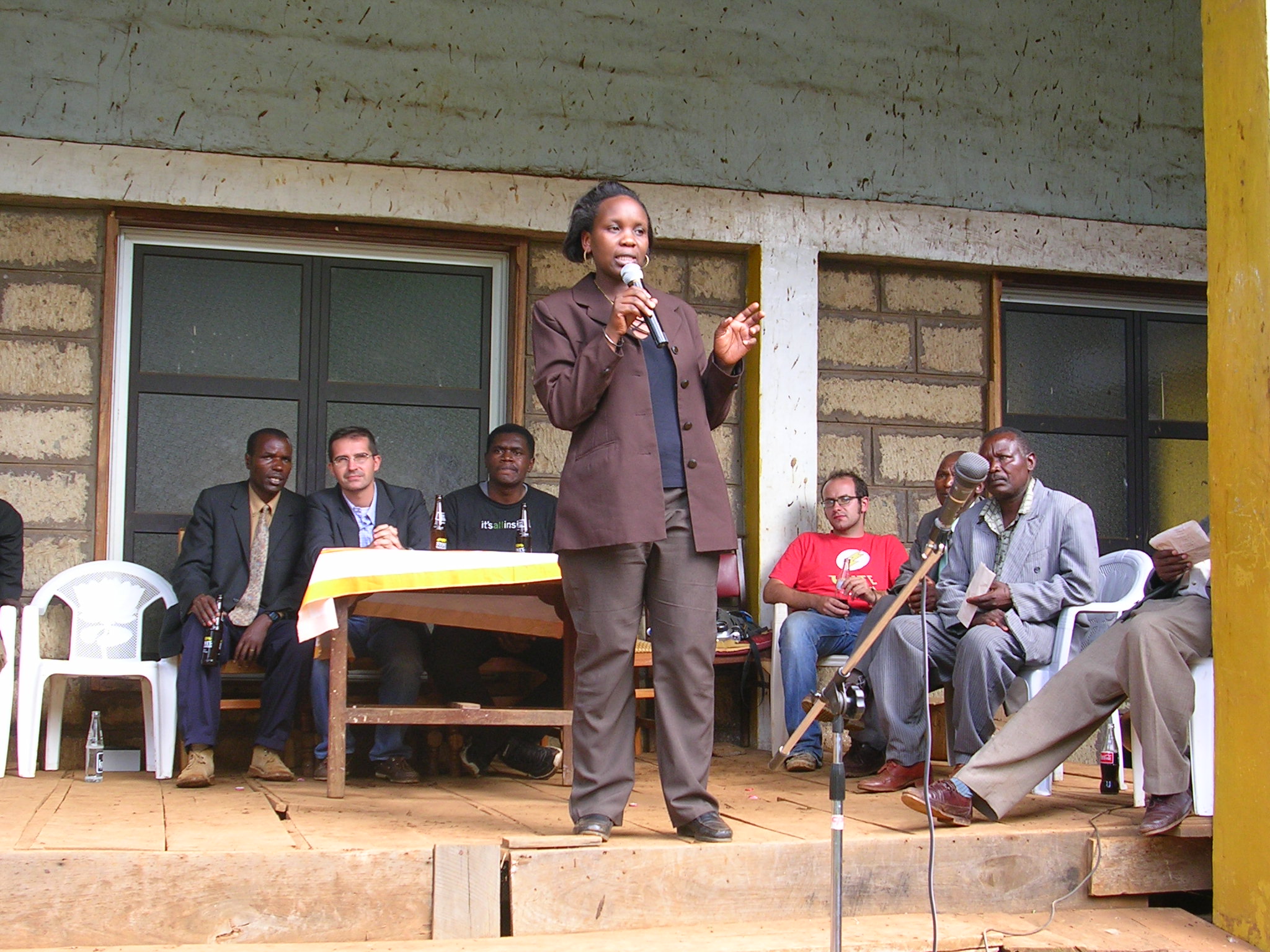
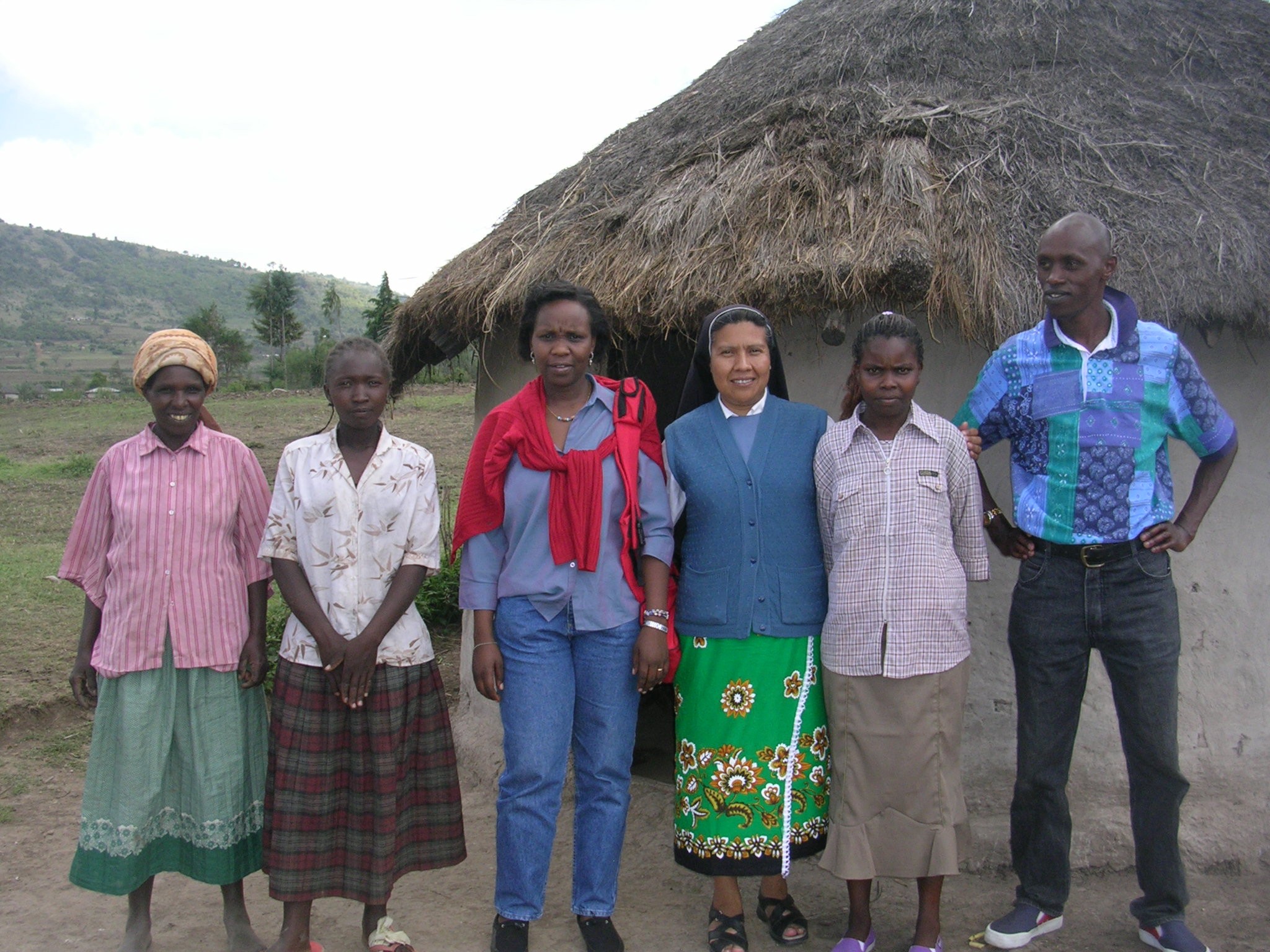
In Kibera, partnerships with religious congregations and community actors created opportunities for us to reach more families. When people connected to AVSI moved to other parts of the country, they sometimes opened doors to new communities.
This is how relationships helped us extend our work to places such as Narok and Mutuati.
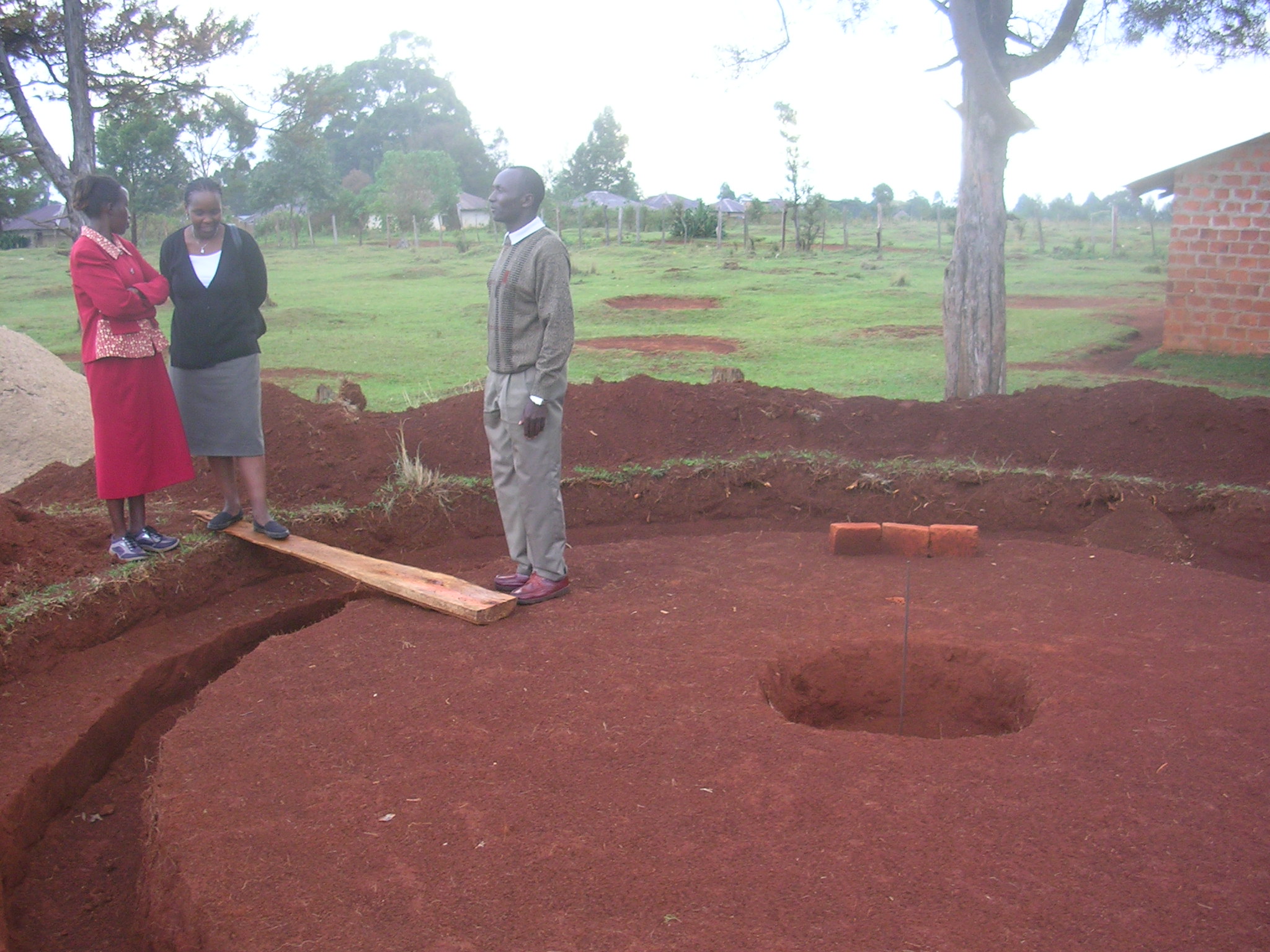
In the early years, this often meant travelling personally to communities, meeting school heads and partners and working through practical challenges together. Over time, these relationships developed into more structured partnerships and programmes.
Our organisation grew, but the foundation remained the same: people meeting people, building trust and working together."
Learning to pay attention
"There was another lesson from those early years that stayed with me.
One of my first tasks was to put official stamps on hundreds of newsletters. The instruction was simple: give the same attention to every stamp.
Over time, the lesson became much bigger.
If you learn how to pay total attention to one stamp, you learn how to pay total attention to one child.
The principle is simple: large programs are ultimately made up of individual people and individual realities. Attention to detail is not separate from care for people; it is part of it."
When an encounter continues
"Some of the most meaningful moments came years later, when people once supported through AVSI returned in unexpected ways.
One encounter happened when I called a public institution to request technical information. The person who answered recognised AVSI and then asked:
Is Romana still there?
He was one of the children I had accompanied years earlier in the informal settlements.
For me, moments like these show that the value of accompaniment cannot always be measured at the moment support is provided. A school fee, a visit, a conversation or an opportunity can become part of a much longer journey.
And sometimes, the person once accompanied goes on to accompany others."
Recognising what people already have
"The same perspective has shaped our work with adults.
In an agricultural value-chain project in Embu, an elderly coffee farmer had the opportunity to taste high-quality coffee made from what he himself had produced.
After decades of growing coffee, it was the first time he had experienced the value of his own product in this way.
The moment was about more than coffee. It was about recognising the value already present in the farmer, his knowledge and his work.
We see the same principle with smallholder farmers, entrepreneurs, young people and communities: development does not begin with the assumption that people have nothing. It begins by recognising what is already there and creating conditions for it to grow. The strongest solutions emerge when local knowledge and technical expertise meet."
Growing without losing what matters
"Almost 30 years later, AVSI in Kenya is very different from the small organisation where we shared one desk and one telephone in 1997.
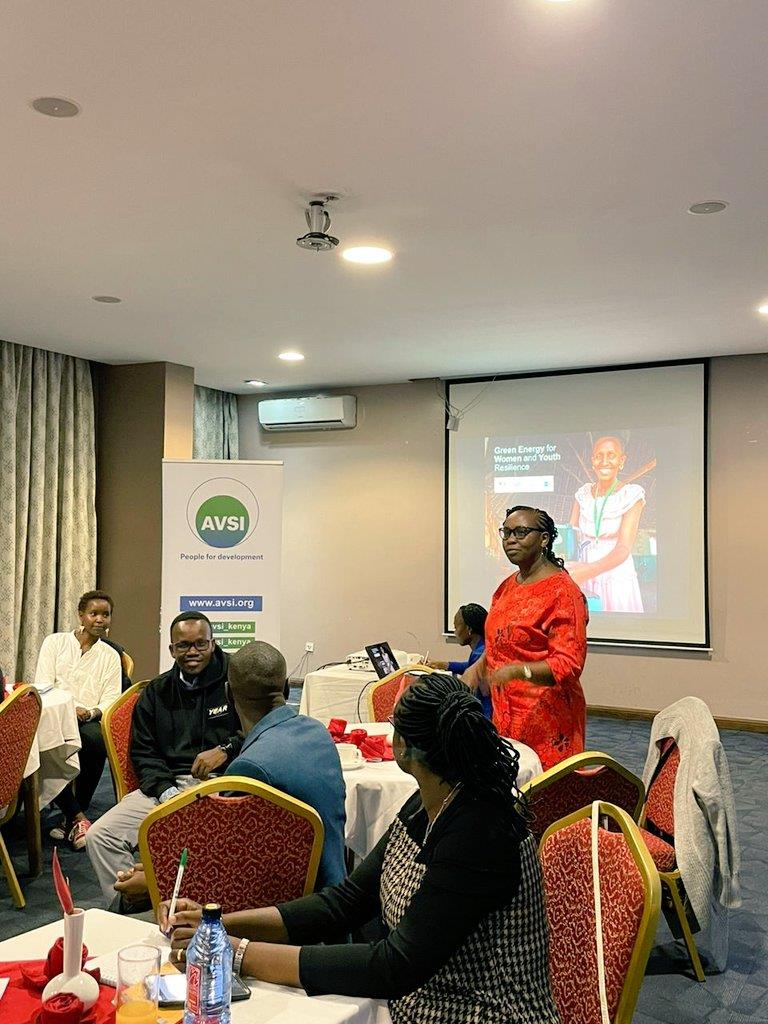
We now have specialised teams, stronger systems, wider partnerships and programs across different sectors and regions.
Yet some things remain important: our approach, starting from what is positive and walking alongside people and communities rather than simply delivering support.
For me, these are not abstract principles. They are lessons learned through years of encounters with children, families, colleagues, partners, farmers and communities."
AVSI is home
"For me, AVSI has become much more than a career.
AVSI is home.
Our growth in Kenya over the past 40 years is an achievement, but our future will depend on preserving what has always mattered most: recognising the value of each person and accompanying them as protagonists of their own development.
As we look to the next 40 years, our challenge is to build on the organisation’s experience, strengthen partnerships and reach more communities without losing the personal attention that makes each encounter meaningful.
The future will bring new challenges, new skills and new ways of working. But our commitment remains the same: to recognise what is already positive in people, strengthen their capacities and walk alongside them as they shape their own futures."
To discover the other stories collected for 40th anniversary of AVSI in Kenya visit the dedicated page.